
Macros & Body Composition Guides

Beyond simple weight loss. Optimize your Protein, Carbs, and Fats for specific physiological goals.

Mastering Macronutrients: Protein, Carbs, Fats

Protein, carbohydrate, and fat all contribute to total energy intake and have different roles in food and the body. There is no single best macro ratio for everyone; needs vary with age, health, activity, goals, and the overall dietary pattern.

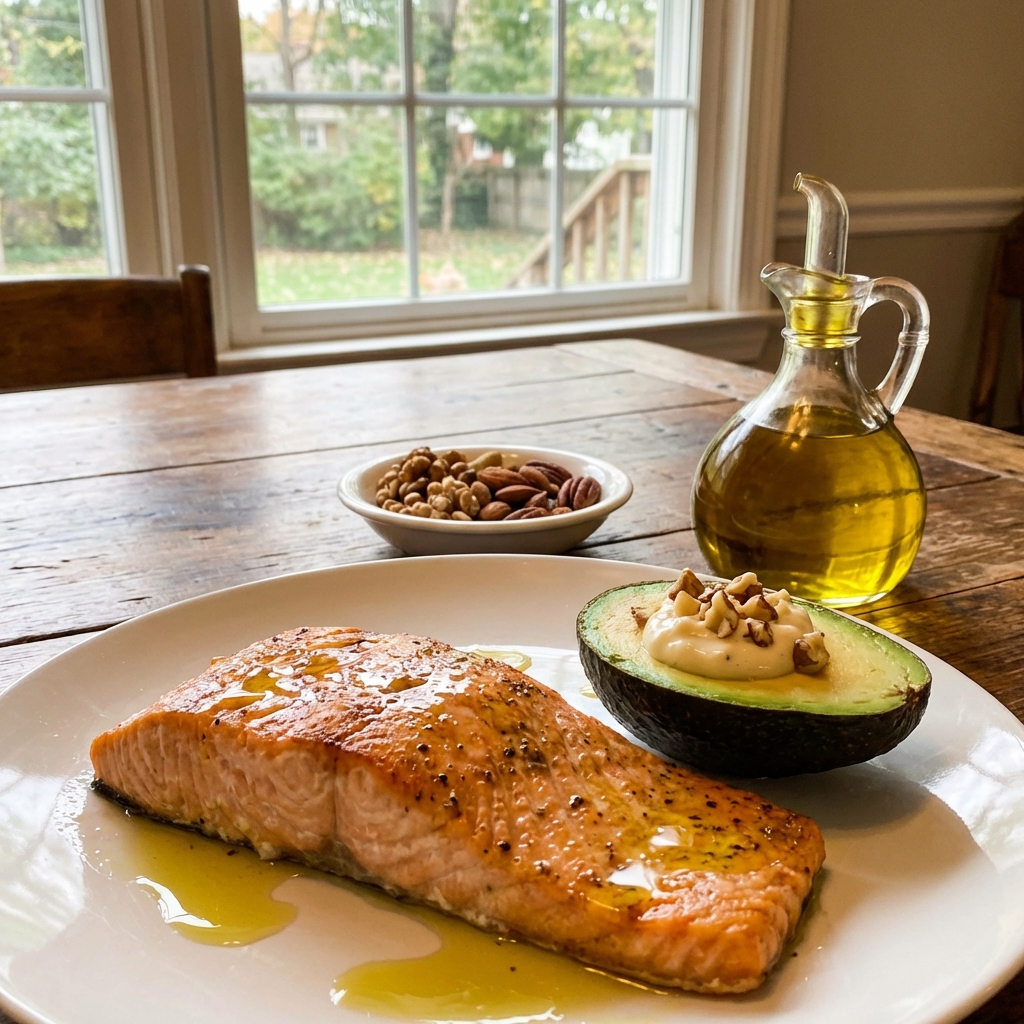
Keto Meal with Salmon and Avocado

🥑 Keto Diet Macros

Understand common ketogenic ranges, their limits, and when medical guidance is appropriate.

Read Guide →

Post Workout Steak and Shake

💪 Macros for Muscle Gain

Review evidence-based protein ranges and the role of progressive resistance training.

Read Guide →
🧮

Use the Macro Calculator

Generate an estimate, then adjust it for your measured intake, activity, and professional guidance.

Open Tool →

Primary references, U.S. scope, and fact check

The FDA Nutrition Facts framework is the primary U.S. reference for interpreting grams and Daily Values on packaged foods. The current Dietary Guidelines for Americans supplies the broader federal dietary context; neither source prescribes one universal macro split for every person.

Applicable region: United States. Last fact check: July 24, 2026. This hub is general education, not an individualized diet prescription.

Editorial information

Editorial oversight by

Editor-in-Chief at CalMind. Leads editorial direction and English-language nutrition content.

Editorial collaboration

CalMind Editorial Team

Co-authoring, editing, and source checks.

Editorial disclosure added July 17, 2026. This page is not labeled as professionally reviewed unless a named reviewer and verifiable credential are shown.

Common Macro Questions

What is the best macro split?

There is no universal best. Keto uses 70% fat. Bodybuilders often use 40% protein / 40% carbs / 20% fat. The best split is the one that supports your training style and that you can sustain long-term.

Do I need to count veggies?

For most people, no. Green leafy vegetables are so low in calories and high in fiber that you can eat them freely. However, starchy vegetables like potatoes, corn, and peas should definitely be tracked as carbs.

Is sugar considered a carb?

Yes, sugar is a simple carbohydrate. In your macro count, it's just a carb (4 calories/gram). However, for health and satiety, complex carbs (oats, rice, quinoa) are superior because they digest slower.

Snap a photo. See calories & macros.

Start with one photo. CalMind instantly shows calories and macros—so staying consistent feels easy.