

Weight Loss Guides & Strategies Hub

Evidence-based U.S. resources for estimating energy needs, monitoring progress, and discussing a safe plan with a qualified health professional.

Science-Based Weight Loss Guide

Weight change reflects energy intake and expenditure over time, but the response is dynamic and differs between people. Medicines, medical conditions, sleep, stress, environment, age, and activity can also affect weight management.

Old Fashioned Scale Balancing Calories

📉 The Calorie Deficit Formula

Learn why fixed “3,500-calorie” predictions are only rough estimates and how dynamic models improve planning.

Read Guide →
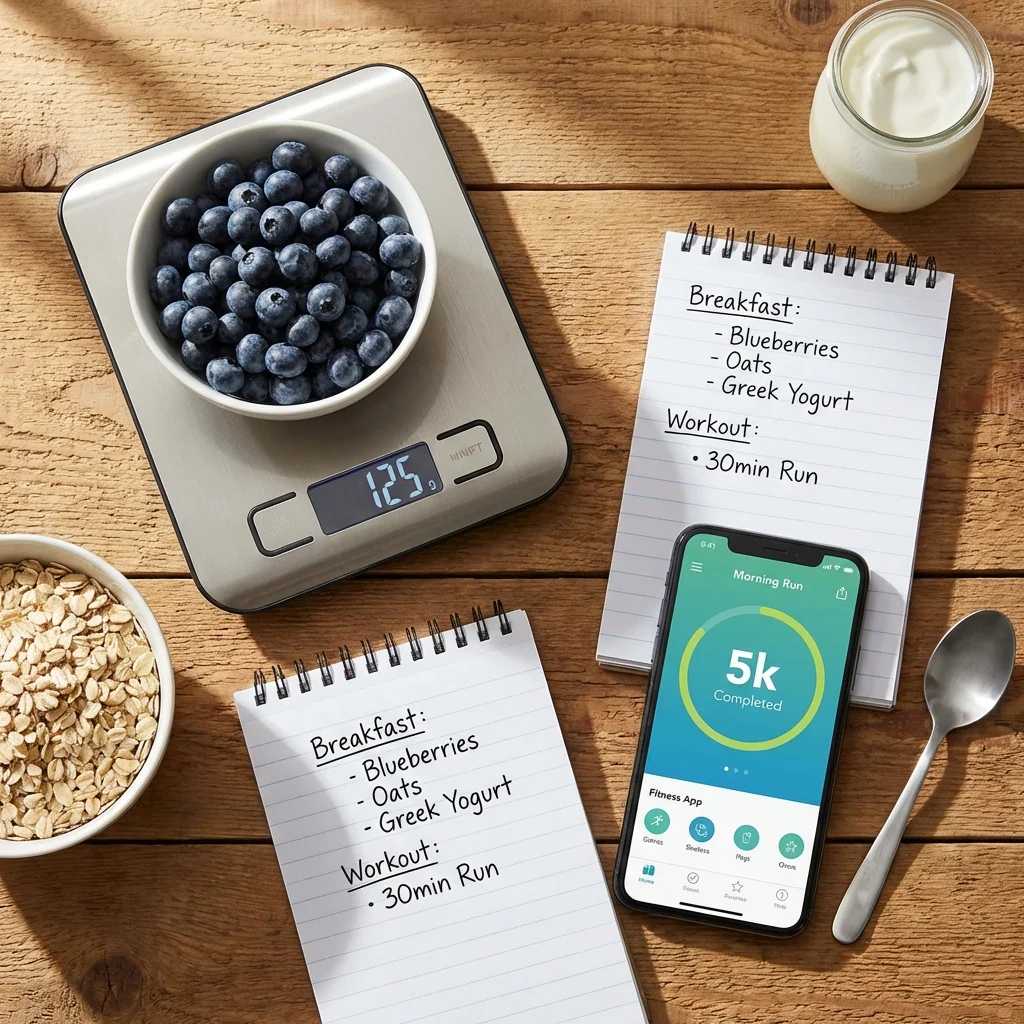
Person Writing in Food Journal

📝 How to Track Calories

Learn the basics of logging and the limits of calorie estimates.

Read Guide →
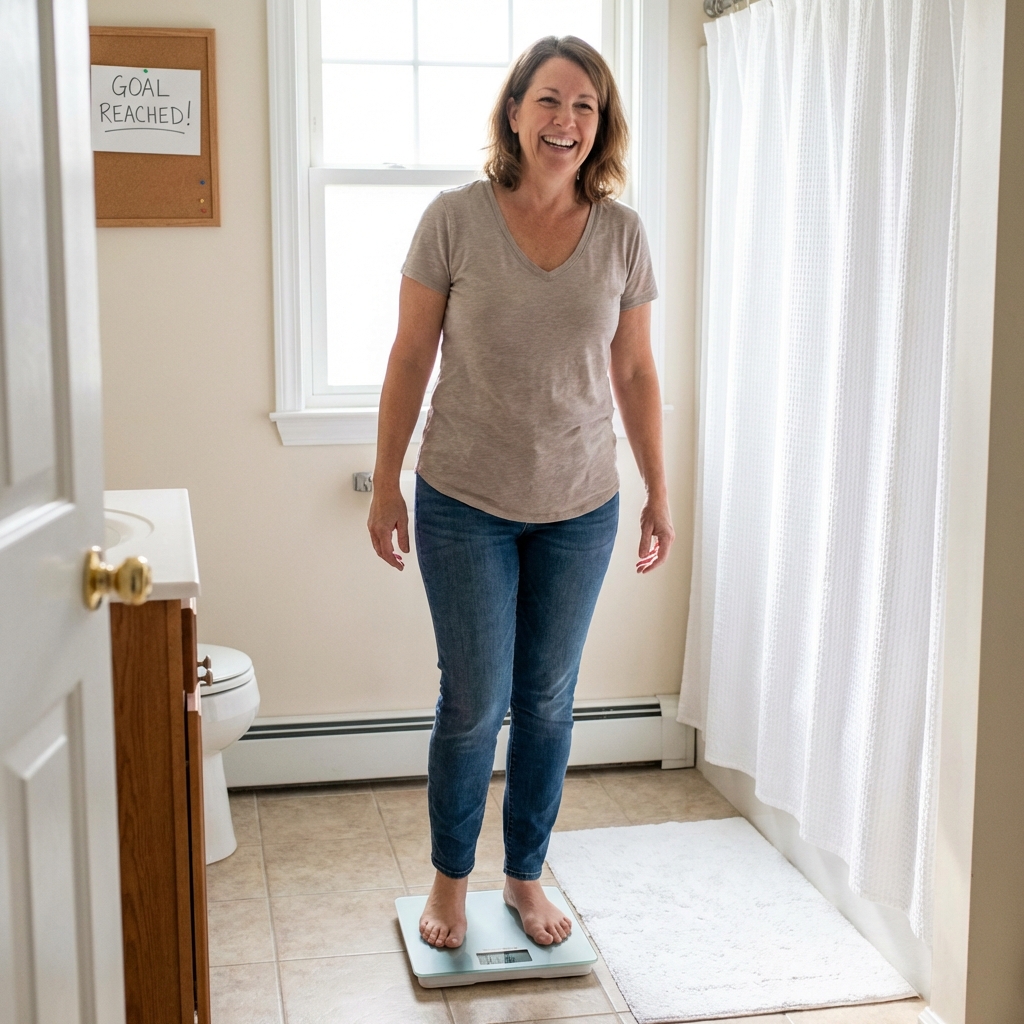
Success on Bathroom Scale

🧮 Use the TDEE Calculator

Generate an estimate, then compare it with measured progress and professional guidance.

Open Tool →

Primary references, U.S. scope, and fact check

The NIH/NIDDK Body Weight Planner and its published dynamic model are the primary references for energy-change estimates on this hub. CDC guidance supplies the broader lifestyle and gradual-progress context.

Applicable region: United States; adult general education. Last fact check: July 24, 2026. NIDDK states that its planner is not for people under 18 or those who are pregnant or breastfeeding and does not replace medical advice.

Editorial information

Editorial oversight by

Editor-in-Chief at CalMind. Leads editorial direction and English-language nutrition content.

Editorial collaboration

CalMind Editorial Team

Co-authoring, editing, and source checks.

Editorial disclosure added July 17, 2026. This page is not labeled as professionally reviewed unless a named reviewer and verifiable credential are shown.

Weight Loss FAQ

How much weight can I lose in a week?

A safe rate is 0.5% to 1% of your body weight per week. For most people, that's 0.5kg to 1kg (1-2 lbs). Losing faster often means you are losing water weight and muscle tissue, not just fat.

Is "Starvation Mode" real?

It involves metabolic adaptation, where your body burns slightly fewer calories as you lose weight. However, it will never stop weight loss completely if you are in a true deficit. It's often exaggerated online.

What is the best exercise for fat loss?

The one you enjoy and do consistently. However, a combination of Resistance Training (to keep muscle) and Zone 2 Cardio (to burn calories directly) is biologically optimal.

Snap a photo. See calories & macros.

Start with one photo. CalMind instantly shows calories and macros—so staying consistent feels easy.