 CalMind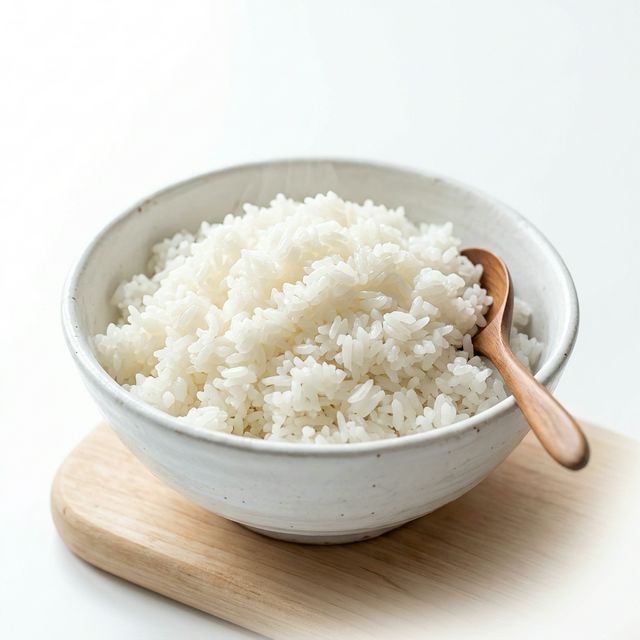
Cooked rice calories per 100g: 130 kcal (white rice)
Nutrition facts per 100g and rice-type comparison
Rice Varieties: Nutrition Comparison (Cooked, Per 100g)
Rice Nutrition Analysis: The Global Carbohydrate Staple
Perfectly cooked white rice contains a consistent 130 digestible calories per 100g, securing its position as one of the most culturally universally consumed calorie delivery sources on the planet. A rigorous measurement of exactly one densely packed cup of freshly cooked white rice (weighing about 186g) provides approximately 242 clean calories. Because these calories digest quickly, white rice serves as an optimal carbohydrate source primed for immediate glycogen resynthesis, making it a heavy favorite among elite endurance athletes and bodybuilders requiring rapid post-workout recovery.
As an agricultural dietary staple, polished white rice functions as a hyper-efficient direct carbohydrate source. It offers 28g of rapidly metabolizing complex carbohydrates per 100g, while remaining extraordinarily low in saturated fat (just 0.3g) and delivering moderate traces of incomplete functional protein (roughly 2.7g). Importantly, it is naturally gluten-free and recognized medically as one of the easiest whole foods to continuously digest passively. This high digestibility rating explains why rice remains a non-negotiable dietary absolute for over half the world's measured population.
White Rice vs. Brown Rice: The Fiber Dynamic
From a comparative nutritional standpoint, whole intact raw brown rice offers substantially more native fiber (roughly 1.8g versus a minimal 0.4g per 100g for white rice). Interestingly, brown rice carries a slightly lower calorie density by volume—registering at roughly 112 kcal per cooked 100g—due to differences in physical fluid absorption capacities during the simmering process. However, modern commercialized polished white rice is legally explicitly enriched with essential iron and robust key B vitamins across many global regulatory bodies, effectively closing the micronutrient gap.
For rigorous and sustained weight management, precise meticulous volume control remains critical. The core issue with rice consumption rarely involves the grain itself, but rather portion distortion. Accurately measuring cooked dense rice with a standardized measuring cup or a digital kitchen scale helps track daily intake and prevents accidental caloric surpluses. Eating rice from massive communal serving bowls often results in consuming triple the intended baseline carbohydrate load.
The Cooling Hack: Resistant Starch
Recent nutritional science isolated a unique physical phenomenon regarding starches: when you cook standard white rice and then intentionally allow it to cool completely in a refrigerator for at least 12 hours, its physical structure changes. A significant percentage of its digestible carbohydrates reconfigures into "resistant starch." This specific fiber type bypasses standard digestion within the small intestine entirely.
Because the body cannot strip the energy from resistant starch directly, cooling the rice slightly lowers the net available calorie content of the final meal. Instead of metabolizing into glucose, the resistant starch travels to the colon, where it ferments and provides premium fuel for beneficial gut bacteria. Reheating the cooled rice in a microwave the following day preserves this altered resistant starch structure, making simple meal preparation an incredibly effective metabolic optimization tool. Relying on the CalMind photo calorie tracker seamlessly integrates into this precision-focused lifestyle; simply photograph your rice portion, and our AI will calculate the exact carbohydrate load to keep your macros perfectly on track.
🔥 How to burn 242 Calories (1 cup cooked)?
- Run (Steady Pace): 24 minutes
- Cycle (Moderate Resistance): 35 minutes
- Walk (Brisk Pace): 65 minutes
Frequently Asked Questions
How many calories are in cooked rice per 100g?
Cooked white rice has about 130 calories per 100g; other rice types can vary.
Is brown rice lower in calories than white rice?
Often slightly lower per 100g cooked, but the difference is modest and preparation matters.
How much does rice expand after cooking?
Dry rice commonly expands to around 2.5-3 times its original cooked weight.
Can rice be part of fat loss?
Yes. Rice can fit fat loss when portions match your calorie target and meal context.