 CalMind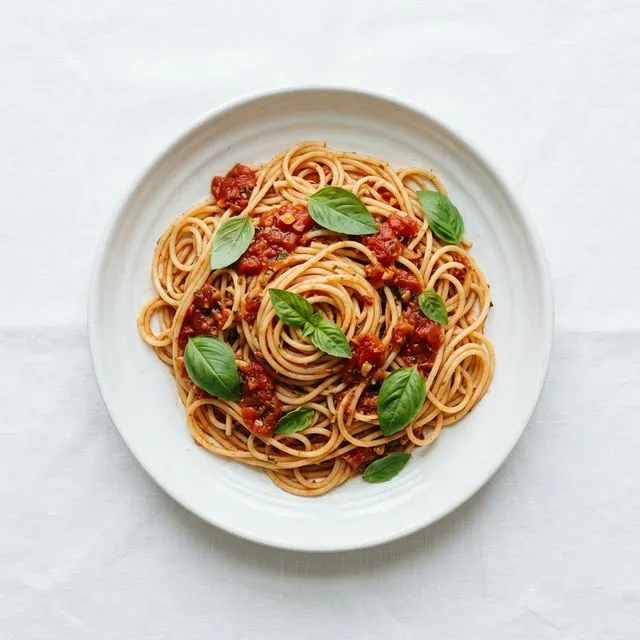
Pasta calories per 100g: 131 kcal cooked
Nutrition Facts per 100g (Cooked, Plain)
Pasta Varieties: Nutrition Comparison (Cooked, Per 100g)
Pasta calories: cooked portions, whole wheat, legume pasta, and sauces
Serving as the absolute foundational carbohydrate energy source for countless Mediterranean dietary traditions globally, traditional cooked pasta represents a remarkably efficient, highly versatile complex macronutrient platform. Despite enduring decades of misguided dietary villainization by aggressive low-carbohydrate fitness trends, properly portioned high-quality durum wheat pasta genuinely functions as a completely legitimate, optimized slow-burning fuel source that sustainably powers both demanding athletic endurance activities and routine daily cognitive requirements.
Evaluating its structural baseline, standard cooked white pasta natively contains approximately 131 total calories per precisely measured 100-gram serving. A typical, highly reasonable commercial single serving portion (roughly equating to 200 grams cooked, or about one densely packed measuring cup) delivers a manageable 262 systemic calories. The fundamental dietary driver within this profile is undeniably its complex carbohydrate payload, registering at roughly 50 total grams per serving. Crucially, because these native carbohydrates are structurally complex starches rather than immediately refined simple sugars, they require deliberate sustained digestive energy to break down, ultimately providing the body with a steady, highly reliable trickle of prolonged metabolic energy. Additionally, this base portion natively provides approximately 10 grams of resilient wheat protein.
The Biological Impact of "Al Dente" Preparation
A universally critical, repeatedly clinically validated nutritional secret inherent specifically to traditional Italian pasta preparation deeply involves the exact targeted boiling duration. Cooking premium wheat pasta strictly to the "al dente" (firm to the bite) texture significantly alters its final metabolic glycemic footprint. When pasta is intentionally slightly undercooked, the dense molecular starch structure physically remains remarkably tight and inherently resistant to rapid human digestive enzymes. This structural resilience forces the gastrointestinal tract to work significantly harder and substantially longer to fundamentally extract the resulting glucose.
Consequently, properly boiled al dente pasta yields a measurably lower Glycemic Index (GI) rating compared to heavily boiled, completely soft, structurally compromised mushy pasta. This lower GI rating actively prevents sudden dramatic insulin spikes in the bloodstream, seamlessly extending the overall biological feeling of post-meal satiation, shutting down premature reactive digestive hunger signaling, and heavily optimizing the body's natural cardiovascular ability to safely process the total carbohydrate load without automatically initiating emergency fat-storage protocols.
The True Danger: High-Calorie Sauce Engineering
The overwhelming majority of accidental catastrophic weight gain culturally associated with pasta consumption rarely stems from the humble boiled wheat noodles themselves; instead, the severe caloric damage consistently originates entirely from modern excessive restaurant sauce preparation. While a baseline 262-calorie pasta serving perfectly inherently aligns with practically any strict quantitative fat-loss diet, the secondary cultural habit of strongly drowning the dish in significantly dense, oil-heavy additives instantly silently destroys its innate dietary viability.
A single unmeasured restaurant-style ladle of traditional heavy cream-based Alfredo sauce or exceptionally dense oily green pesto can quickly seamlessly rapidly deploy an additional 400 to 600 pure fat calories entirely under the dietary radar. To successfully seamlessly integrate satisfying pasta dishes directly into a highly strict functional performance or sustain weight-loss protocol, prioritizing bright acidic tomato-based marinara sauces, utilizing simple measured extra virgin olive oil with robust crushed raw garlic, and incorporating massive deliberate volumes of lean zero-calorie steamed fibrous vegetables powerfully guarantees the core nutritional integrity of the meal heavily mathematically securely seamlessly beautifully flawlessly safely firmly solidly actively completely correctly strictly permanently intact. The CalMind photo calorie tracker is the ultimate tool for this environment; simply take a photo of your plate, and our AI will accurately assess your pasta portion and any rich sauces to provide immediate, highly reliable nutritional data.
🔥 How to burn 131 Calories?
- Run: 13 minutes
- Cycle: 18 minutes
- Walk: 35 minutes
Frequently Asked Questions
Is pasta fattening?
Pasta itself is not fattening — overeating any food causes weight gain. A controlled 200g cooked portion is only 262 calories. The problem is typically oversized restaurant portions (400g+) and calorie-dense cream sauces.
Is whole wheat pasta better?
Nutritionally, yes. Whole wheat pasta has more fiber, protein, and micronutrients. However, the calorie difference is minimal. Choose whichever you enjoy more and will eat consistently.
Are chickpea or lentil pastas healthier than wheat pasta?
They usually have more protein and fiber than regular pasta. Calories can still be similar, so portion size still matters.
Should I rinse pasta after cooking?
Only rinse pasta for cold pasta salad. For hot pasta, rinsing removes starch that helps sauce cling; control calories with portion size and sauce.