 CalMind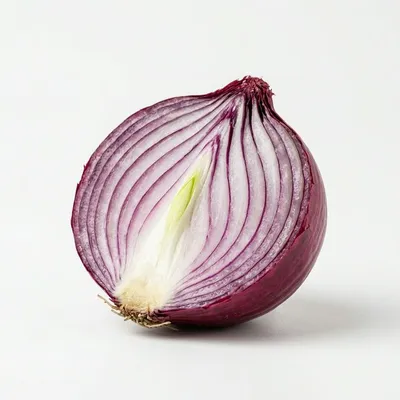
Onion calories per 100g: 40 kcal
Nutrition facts per 100g (raw onion)
Onion Varieties: Nutrition Comparison (Raw, Per 100g)
Onion Nutrition Analysis: The Universal Aromatic Foundation
Acting as the indispensable culinary base for virtually every major global cooking tradition, the common onion occupies a truly unique dietary position. Rather than functioning simply as a standalone bulk vegetable, onions are primarily utilized as a foundational aromatic flavor enhancer. Unlike calorically dense flavoring agents such as heavy cooking oils, thick traditional butters, or concentrated commercial sauces, raw and cooked onions deliver immense savory depth, brilliant subtle sweetness, and satisfying structural crunch while maintaining a remarkably negligible total caloric footprint. Whether raw in a salad or caramelized in a pan, you can quickly track them using the CalMind photo calorie tracker.
Evaluating their raw baseline physical composition, standard onions contain approximately 40 total calories per fresh 100-gram metric serving. This highly efficient caloric density allows strictly monitored dieters to freely incorporate substantial volumes of onion into daily meals without disrupting exact macronutrient calculations. Structurally, onions consist primarily of 9.3 grams of complex carbohydrates, supported by a minimal 1.1 grams of biological protein and a practically non-existent 0.1 grams of natural trace fats. Because their baseline makeup is nearly 89% pure water combined with resilient structural fiber, they physically add substantial weight and visual volume to cooked dishes, promoting deep gastric stretching and long-term satiation.
The Quercetin Super-Antioxidant Factor
While their macronutrient profile is highly modest, onions represent an absolute biological powerhouse regarding specific functional micronutrients. They serve as one of the most highly concentrated, easily accessible natural dietary sources of Quercetin available in the modern human diet. Quercetin is a heavily researched, incredibly potent flavonoid antioxidant that actively neutralizes massive physical cellular damage caused by roaming oxidative free radicals.
Clinical nutritional science consistently demonstrates that the specific Quercetin compounds naturally abundantly present in red and yellow onion varieties perform a highly therapeutic biological function specifically related to cardiovascular longevity. By actively reducing structural vascular inflammation and directly preventing the dangerous oxidative hardening of sensitive arterial walls, regular consistent consumption of raw or lightly sautéed onions provides measurable, profound long-term heart-health benefits. Furthermore, this specific antioxidant matrix acts as a mild natural antihistamine, potentially naturally reducing systemic allergic responses generated by seasonal environmental triggers.
Inulin Fiber and Deep Microbiome Health
Beyond their established cardiovascular benefits, onions operate as a critical structural component for optimal human digestive health. They are naturally exceptionally wealthy in inulin—a massive, complex soluble dietary fiber classified biologically as an elite prebiotic. Unlike standard digestible plant carbohydrates that quickly break down within the highly acidic stomach or upper small intestine, raw inulin strongly resists immediate early digestion, traveling completely fundamentally structurally intact directly down into the deep lower colon.
Once physically situated within the massive lower digestive tract, this specific inulin fiber functions as the ideal perfect native fuel source for propagating colonies of highly beneficial Bifidobacteria and active protective Lactobacilli. As these critical gut microbes actively ferment the unyielding onion fiber, they rapidly generate vital short-chain fatty acids like butyrate. This critical downstream biological process radically improves total foundational gut wall integrity, physically suppresses the dangerous growth of invasive pathogenic gastrointestinal bacteria, and significantly reliably strengthens the primary daily human autoimmune response against opportunistic seasonal viruses.
🔥 How to burn 40 Calories?
- Run (6 mph pace): 4 minutes
- Cycle (Moderate effort): 5 minutes
- Walk (3.5 mph brisk pace): 10 minutes
- Rowing (Vigorous): 4 minutes
Note: Caloric expenditure varies based on age, gender, and current body weight.
Frequently Asked Questions
How many calories are in onion per 100g?
Onion has about 40 calories per 100g and is widely used for flavor at low calorie cost.
Do cooked onions have more calories than raw onions?
Onion calories stay similar by weight, but cooking oil can significantly increase total calories.
Are onions high in sugar?
Onions contain natural sugars, but the overall calorie load is still relatively low per serving.
Are red onions healthier than white onions?
Both are nutritious. Red onions may contain slightly more antioxidant compounds.