 CalMind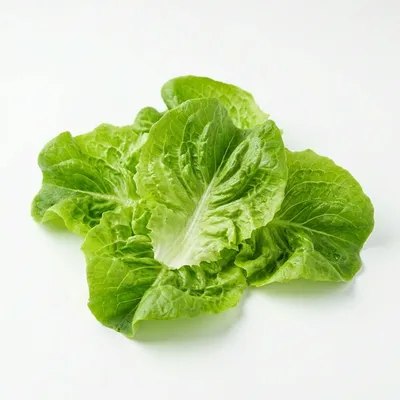
Lettuce calories per 100g: 15 kcal
Nutrition Facts per 100g
Lettuce Varieties: Nutrition Comparison (Raw, Per 100g)
Lettuce nutrition: calories, iceberg, romaine, keto, and salad toppings
Lettuce has about 15 calories per 100g, so the leaves are rarely the problem in a salad. Dressing, cheese, croutons, nuts, and bacon usually drive the calorie total. Use the CalMind photo calorie tracker to scan the full salad and estimate toppings, not just the lettuce base.
At a genuinely astounding 15 total calories per 100-gram serving, lettuce represents the strong option of strategic "volume eating." It allows dieting individuals to physically fill their stomachs and satisfy biological, stretch-receptor-based hunger without meaningfully contributing to their daily caloric budget. Providing a mathematically insignificant 2.9 grams of carbohydrates, a trace 0.2 grams of dietary fat, and exactly 1.4 grams of plant protein, it is virtually impossible to overconsume lettuce in any standard culinary scenario. Despite this exceptionally low density, darker leafy varieties still manage to deliver highly respectable, physiologically functional doses of critical micronutrients.
The Nutritional Spectrum: Iceberg versus Dark Leafy Greens
While all common lettuce varieties remain exceptionally low in basic calories, their exact micronutrient profiles vary wildly, directly correlating with the depth and darkness of the leaf's pigmentation. Standard commercial iceberg lettuce, characterized by its pale green color and dense, tightly packed spherical structure, is famously composed of approximately 96% pure water. While it serves as an excellent foundational source of basic hydration and uniquely satisfying mechanical crunch, its pale coloration perfectly indicates a relatively minimal concentration of core bio-active vitamins and trace minerals compared to its darker counterparts.
Conversely, deeply pigmented varieties like Romaine, Red Leaf, and heavily textured Butterhead lettuce offer a substantially upgraded nutritional return on investment while maintaining exactly the same near-zero caloric footprint. Romaine, for instance, operates as a massive structural powerhouse for crucial bone-building Vitamin K, immune-supporting Vitamin A (specifically via beta-carotene), and critical dietary folate. For individuals strongly pursuing maximum micronutrient density within a tightly restricted caloric deficit, permanently swapping pale iceberg for deeply colored Romaine or rich green leaf lettuce represents one of the simplest, most notably effective dietary optimization strategies available.
The Great Salad Trap: Caloric Density Comparison
How a harmless bowl of leaves becomes a high-calorie hazard when poorly dressed.
Maximizing Dietary Utility and Hydration
Beyond its traditional role as a simple salad base, the structural rigidity and neutral flavor of lettuce make it incredibly versatile for advanced low-calorie meal engineering. Large, sturdy, unblemished leaves from Romaine or Butterhead heads function as exceptional metabolic substitutes for heavily refined carbohydrate wraps or dense flour tortillas. By directly wrapping heavy lean proteins, sharp cheeses, and rich healthy fats in crisp lettuce leaves instead of traditional bread, individuals can instantly eliminate anywhere from 150 to 300 empty calories from a single meal while simultaneously significantly increasing the physical volume and active hydration of the dish.
Furthermore, the incredibly high water content inherent to all lettuce varieties forces the body to actively process significant liquid volume during active digestion. This hidden hydration factor not only aids in basic systemic digestion and optimal cellular function but also heavily prevents the false neurological hunger signals that frequently plague individuals suffering from chronic mild dehydration. Through this dual physical mechanism of simple stretch-receptor activation and active baseline hydration, lettuce operates as a significantly powerful psychological tool for long-term dietary adherence.
🔥 How to burn 15 Calories?
- Run (6 mph pace): 1 minutes
- Cycle (Moderate effort): 2 minutes
- Walk (3.5 mph brisk pace): 3 minutes
- Rowing (Vigorous): 1 minutes
Note: Caloric expenditure varies based on age, gender, and current body weight.
Frequently Asked Questions
How many calories are in lettuce per 100g?
Lettuce has about 15 calories per 100g, with 2.9g carbs and almost no fat.
Is lettuce good for weight loss?
Yes. Lettuce is very low in calories and adds volume, but dressings, cheese, and croutons can raise salad calories fast.
Does iceberg lettuce have nutrients?
Yes, but less than darker greens. Iceberg is mostly water, while romaine and green leaf lettuce offer more micronutrients.
Can you eat lettuce on keto?
Yes. Lettuce is very low in carbs and works well for keto salads or lettuce wraps.