 CalMind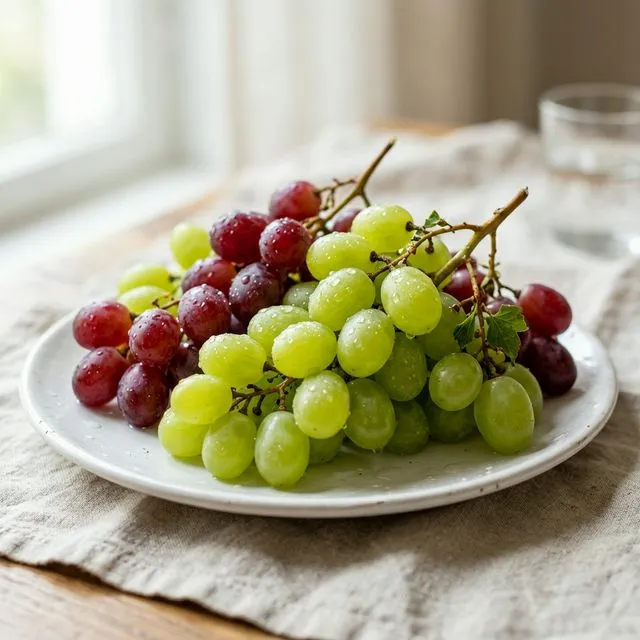
Grapes calories per 100g: 69 kcal
Nutrition Facts per 100g (Raw, Red/Green)
Grapes Nutritional Comparison
Grapes nutrition: cup calories, sugar, raisins, and portions
Fresh grapes have about 69 calories per 100g, while one cup is about 104 calories. They are easy to overeat by the handful, and raisins are far more calorie-dense because the water is removed. Use the CalMind photo calorie tracker to scan a bowl of grapes and estimate the portion without counting every grape.
A standard 100-gram serving of raw fresh grapes contains a modest 69 total calories. A single average-sized grape delivers roughly 3 to 4 calories, while a standard measured cup (weighing approximately 151g) provides about 104 calories. Their macronutrient structure is dominated almost entirely by simple carbohydrates, boasting 18 grams of fast-digesting carbs per 100g, supported by fractional, trace amounts of protein (0.7g) and dietary fat (0.2g). This specific carbohydrate density makes them an exceptional, rapid pre-workout energy fuel source.
The Resveratrol Advantage and Sugar Hydration
While grapes do contain higher natural fructose fruit sugars (roughly 16g per 100g) compared to fibrous berries, their incredible cellular water content—hovering around 82%—provides tremendous natural hydration and expands gastric volume. Furthermore, dark-colored grapes (specifically deep red, dark purple, and black variants) contain a dense concentration of resveratrol within their thin skins. This powerful natural plant polyphenol is heavily researched for its stellar cardiovascular support and potent antioxidant inflammation-fighting properties.
A highly strategic, significantly popular diet hack involves freezing fresh grapes. The freezing process dramatically alters their internal cellular structure, transforming them into firm, icy treats that take significantly longer to eat. This natural temperature pacing forces slower mindful consumption, actively triggering crucial mental satiety signals while providing a phenomenal, refreshing icy dessert alternative to high-calorie factory ice creams.
🔥 How to burn 69 Calories (100g serving)?
- Run (6 mph pace): 6 minutes
- Cycle (Moderate effort): 10 minutes
- Walk (3.5 mph brisk pace): 17 minutes
- Rowing (Vigorous): 6 minutes
Note: Caloric expenditure varies based on age, gender, and current body weight.
Vitamin K and Bone Integrity
Beyond their well-documented antioxidant profile, fresh mature grapes serve as a surprisingly robust natural source of dietary Vitamin K. A standard measured cup of whole grapes elegantly delivers roughly 28% of the recommended daily human intake for this critical micronutrient. Vitamin K operates as an absolutely non-negotiable biological co-factor strictly required for synthesizing osteocalcin, the primary protein responsible for actively binding essential calcium directly into the rigid structural bone matrix.
Furthermore, this exact same vitamin notably regulates systemic blood coagulation processes. By gently supporting optimal blood clotting mechanisms and actively maintaining dense bone mineral density over time, regular moderate grape consumption quietly provides immense functional biological value extending far beyond basic rapid carbohydrate energy provision.
The Prebiotic Potential of Grape Skins
While the juicy internal flesh provides the bulk of the sweet hydration, the slightly bitter, fibrous outer grape skin harbors unique digestive benefits. The complex structural cellulose found exclusively in the skin actively resists immediate early digestion in the human small intestine, allowing it to safely travel completely intact into the deep lower colon.
Once there, these durable plant fibers effectively transform into highly active prebiotics—essential raw structural fuel directly feeding robust populations of beneficial gut microbiome bacteria. As these deeply embedded bacteria actively ferment the grape skin cellulose, they naturally generate powerful short-chain fatty acids (SCFAs) like butyrate, which successfully reduce dangerous internal gastrointestinal inflammation and notably strengthen the entire crucial intestinal barrier against outside biological pathogens.
Frequently Asked Questions
How many calories are in grapes per 100g?
Fresh grapes have about 69 calories per 100g, with about 18g carbs and very little fat.
How many calories are in a cup of grapes?
One cup of grapes is about 151g and has roughly 104 calories.
Are red grapes lower in calories than green grapes?
Not meaningfully. Red, green, and black grapes are very similar in calories; the main differences are flavor and antioxidants.
Are raisins higher in calories than grapes?
Yes. Raisins are dried grapes, so they are much more calorie-dense by weight.