 CalMind
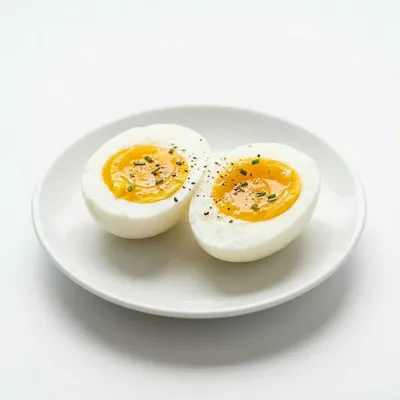
Egg calories: 1 large egg = 72 kcal
Nutrition facts per large egg and per 100g
Egg Nutritional Comparison
Egg Nutrition Analysis: Nature's Perfect Protein
Eggs are universally considered the absolute standard for dietary protein quality, possessing a perfect biological value score of 100. This score indicates that the precise amino acid composition found within an egg perfectly matches the specific functional requirements of the human body, allowing for maximum absorption and efficient utilization for muscle tissue repair, enzyme production, and structural growth. Despite past intense controversy surrounding their cholesterol content, modern nutritional science overwhelmingly embraces whole eggs as a remarkable, nutrient-dense superfood.
A single large boiled egg (weighing approximately 50 grams) delivers a highly efficient 72 total calories. Within this small caloric footprint, you gain 6 robust grams of premium complete protein and 5 grams of dietary fat, with virtually zero trace carbohydrates (0.6g). Importantly, the fat profile within an egg is predominantly heart-healthy monounsaturated and polyunsaturated fats. The combination of dense fat and high-quality protein provides profound gastric satiety, stabilizing dynamic morning blood sugar levels and crushing rapid midday hunger cravings. With the CalMind photo calorie tracker, you can quickly snap a photo of your breakfast plate to scan your eggs and accurately calculate your morning macros.
The Golden Yolk vs. The White
The nutritional architecture of an egg is starkly divided between the clear albumen (the white) and the dense golden yolk. The egg white is almost entirely pure molecular protein and water, offering roughly 17 transparent calories and zero fat. However, discarding the yolk is a massive dietary mistake unless attempting extreme competitive fat-loss protocols. The dense yolk contains nearly 100% of the egg's vital fat-soluble vitamins (Vitamins A, D, E, and K), critical essential fatty acids, and powerful antioxidants like lutein and zeaxanthin, which actively protect ocular health.
Furthermore, the yolk is one of the premier natural sources of choline—an essential brain-building nutrient vital for complex cognitive function, memory retention, and cellular membrane structure. When preparing eggs, gentle boiling or light poaching preserves these delicate micronutrients, whereas intense high-heat frying in heavy vegetable oils can rapidly double the caloric baseline and oxidize the delicate fats.
Protein Bioavailability and Muscle Synthesis
For competitive athletes and dedicated fitness enthusiasts, the humble egg represents the undisputed benchmark for rapid muscle tissue recovery. The precise biological value (BV) of a whole cooked egg sits firmly at 100, meaning the specific amino acid profile is perfectly optimized for human cellular absorption. Specifically, eggs provide massive concentrations of leucine, the primary branched-chain amino acid (BCAA) strictly responsible for actively triggering the mTOR metabolic pathway, which directly initiates deep muscle protein synthesis following intense physical resistance training.
Interestingly, the physical cooking methodology profoundly alters this biological absorption rate. Consuming raw eggs—popularized heavily by classic bodybuilding culture—drastically reduces the total protein bioavailability to roughly 50%. The sustained application of thermal heat during boiling, poaching, or light scrambling effectively denatures the complex folded protein structures, allowing your gastrointestinal tract to effortlessly absorb and utilize over 90% of the available amino acids.
Cooking Methods: How do Egg calories change?
While boiling an egg perfectly preserves its original caloric count, frying or scrambling directly introduces massive volumes of external dietary fats.
Whole egg, egg white, and preparation
The USDA reference on this page is for a whole raw egg. Egg whites, yolks, liquid egg products, and powdered eggs are separate entries and should not inherit the same value by weight.
A large egg is about 72 calories only when its edible portion is close to the cited 50-gram reference. Butter, oil, cheese, milk, meat, and fillings in fried eggs, omelets, or breakfast sandwiches must be added separately.
Pregnancy nutrition and medical conditions require individualized advice. This page provides food-composition data and does not make treatment or prevention claims.
🔥 How to burn 72 Calories (1 Large Boiled Egg)?
- Run (6 mph pace): 7 minutes
- Cycle (Moderate effort): 10 minutes
- Walk (3.5 mph brisk pace): 20 minutes
- Rowing (Vigorous): 6 minutes
Note: Caloric expenditure varies based on age, gender, and current body weight.
Frequently Asked Questions
How many calories are in one large egg?
One large egg has about 72 calories.
How much protein is in one egg?
A large egg usually provides around 6.3g protein.
Do fried eggs have more calories than boiled eggs?
Yes, if oil or butter is added during cooking.
Can eggs fit a weight-loss plan?
Yes. Eggs are protein-rich and can improve satiety when portions are controlled.
Sources, U.S. scope, and fact check
Reference item: USDA FoodData Central, “Egg, whole, raw, fresh” (FDC ID 171287), at 143 kcal per 100g. A 50g large egg is therefore about 72 kcal before added cooking fat.
Applicable region: U.S. food-composition and portion reference data. Last fact check: July 24, 2026. Egg size and added butter or oil change the serving total.
Editorial information
Written and edited by
Editor-in-Chief at CalMind. Leads editorial direction and English-language nutrition content.
Editorial disclosure added July 17, 2026. This page is not labeled as professionally reviewed unless a named reviewer and verifiable credential are shown.