 CalMind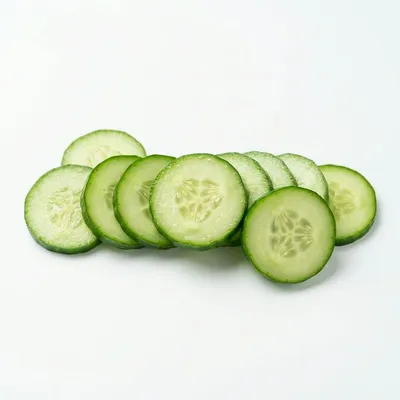
Cucumber calories per 100g: 15 kcal
Nutrition facts for raw cucumber with peel
Cucumber Nutrition Analysis: The Ultimate Hydration Food
The cucumber is a refreshing, low-calorie botanical food. Cultivated extensively worldwide, cucumbers are botanically classified as a fruit due to their seed structure, yet consumed and categorized nutritionally as a vegetable. Given their low caloric footprint, they serve as an excellent option for individuals maintaining a caloric deficit, allowing for volume snacking without significantly impacting daily macronutrient budgets. To log your vegetable snacks, the CalMind photo calorie tracker lets you scan a bowl of cucumber slices for accurate nutrition data.
A standard 100-gram serving of raw, unpeeled cucumber provides 15 calories. Approximately 96% of its composition consists of water. The minimal solid mass provides roughly 3.6 grams of carbohydrates, 0.7 grams of dietary protein, and 0.1 grams of fat. Keeping the dark green outer peel intact provides over 0.5 grams of dietary fiber per serving.
The Strategic Role of Volume and Satiety
While cucumbers are low in macronutrients, their value lies in their gastric volume. Eating a medium-sized raw cucumber (weighing roughly 200 grams) distends the stomach lining while delivering only 30 total calories. This physical stretch triggers mechanoreceptors lining the stomach wall. These receptors send satiety signals to the brain, helping to manage hunger without consuming dense calories.
Electrolyte Balance and Cellular Hydration
Because a cucumber is 96% water, it acts as a natural hydration source. Consuming water-dense foods like cucumbers delivers hydration and trace minerals directly into the digestive system.
Cucumbers naturally provide dietary potassium and trace magnesium. These intracellular electrolytes help maintain cellular fluid balance. Adding fresh cucumber slices to your water or blending them into smoothies creates a hydration option that supports optimal fluid balance.
Antioxidants Hidden Inside the Peel
Much of the nutritional value of a raw cucumber—excluding the water—is located inside its dark green external peel. Removing this skin reduces the intake of its plant-based phytonutrients. The intact peel serves as a source of Vitamin K, a fat-soluble nutrient important for blood clotting and bone metabolism.
Furthermore, the skin provides fisetin, a bioactive flavonol. Research suggests fisetin may offer neurological protection against cellular oxidative stress and support long-term memory function. When consuming raw cucumbers, ensure you wash the exterior thoroughly to remove any surface coatings or residues.
🔥 How to burn 15 Calories (100g serving)?
- Run (6 mph pace): 2 minutes
- Cycle (Moderate effort): 2 minutes
- Walk (3.5 mph brisk pace): 4 minutes
- Rowing (Vigorous): 1.5 minutes
Note: Caloric expenditure varies based on age, gender, and current body weight.
Cucumber Forms: Nutrition Comparison (Per 100g)
*Removing the dark green peel eliminates nearly half of the essential dietary fiber and significantly reduces natural antioxidants.
Frequently Asked Questions
How many calories are in cucumber per 100g?
Raw cucumber with peel has about 15 calories per 100g.
Is cucumber good for weight loss?
Yes. Its high water volume helps fill a plate with very few calories.
Do pickled cucumbers have more calories?
Dill pickles stay low-calorie, but sweet pickles can be higher because of added sugar.
Should I peel cucumber?
Keep the peel if tolerated; it holds more fiber, vitamin K, and antioxidants.