 CalMind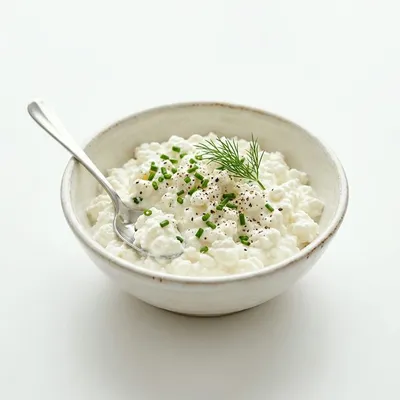
Cottage cheese calories per 100g: 98 kcal
Nutrition Facts per 100g
Cottage cheese nutrition: calories, protein, carbs, and portions
Cottage cheese represents one of the most notably utilized, highly efficient whole-food protein sources in the entire athletic and bodybuilding community. Characterized deeply by its uniquely chunky physical curd structure and intensely mild, slightly tart dairy flavor profile, it provides an exceptionally rare, highly concentrated biological delivery mechanism for slow-digesting dietary protein. Unlike strongly processed modern protein powders or heavy, calorically dense traditional solid cheeses, premium cottage cheese offers an incredibly clean, highly favorable protein-to-calorie ratio, making it an absolute foundational dietary staple for muscle hypertrophy, structured fat loss, and intense competitive athletic preparation.
A precision-measured standard 100-gram serving of common low-fat (typically 2%) commercial cottage cheese reliably provides an incredibly manageable 98 total calories. Within this efficiently packaged matrix, the body receives a massive 11.1 grams of premium complete dietary protein, heavily supported by only 3.4 grams of natural dairy carbohydrates (lactose) and a controlled 4.3 grams of dairy fat. The absolute biological hallmark of cottage cheese is its predominant casein protein structure. Unlike whey protein, which digests rapidly inside the human stomach, dense casein curds take multiple prolonged hours to completely physically digest.
The Strategic Role of Slow-Digesting Casein
Because the heavy casein complex actively coagulates cleanly inside the acidic environment of the stomach, it essentially forms a slow-releasing nutritional gel that explicitly provides a massive, sustained, multi-hour trickle of crucial highly active amino acids directly into the bloodstream. This specific, completely unique slow-digestion physiological trait effectively makes cottage cheese the absolute perfect, useful option of pre-bedtime structural nutrition. Consuming a robust serving immediately prior to deep sleep explicitly heavily actively flawlessly protects hard-earned skeletal muscle tissue from entering a catastrophic catabolic breakdown state during the long overnight fasting period. To ensure your late-night protein intake is exactly on target, log your portion using the CalMind photo calorie tracker. A quick scan of your bowl lets our AI calculate the exact casein protein and calorie macros instantly, keeping your bodybuilding goals on track.
🔥 How to burn 98 Calories (100g serving)?
- Run (6 mph pace): 9 minutes
- Cycle (Moderate effort): 14 minutes
- Walk (3.5 mph brisk pace): 24 minutes
- Rowing (Vigorous): 9 minutes
Note: Caloric expenditure varies based on age, gender, and current body weight.
Probiotics and Intestinal Gut Health
Beyond its widely celebrated macro-level protein numbers, high-quality artisanal cottage cheese functions as a surprisingly potent delivery vehicle for active, living probiotic cultures. When manufactured using traditional live fermentation methods rather than aggressive modern chemical acidification, cottage cheese preserves dense colonies of beneficial bacteria such as Lactobacillus. These microscopic probiotics survive basic gastric digestion and safely colonize the lower intestinal tract.
Regular consumption of these active live cultures improves raw digestive efficiency, systematically boosts overall immune function, and naturally suppresses the proliferation of dangerous pathogenic gut bacteria. To secure these profound intestinal health benefits, you must explicitly scan the commercial nutritional label specifically looking for the prominent phrase 'contains active live cultures' before purchasing.
The Hidden Sodium Dilemma
While the undisputed protein density champions cottage cheese as a pristine superfood, consumers must carefully monitor one potentially stealthy ingredient: added dietary sodium. In order to artificially maximize its commercial shelf-life and amplify its inherently mild flavor profile, large industrial dairy manufacturers routinely inject significant volumes of salt directly into the curds.
A standard single-cup serving of heavy commercial cottage cheese can quickly contain nearly 800 milligrams of raw sodium, representing almost 35% of the recommended strict daily maximum limit advised by leading global cardiovascular organizations. Consuming this massive hidden sodium payload regularly can severely elevate resting blood pressure directly causing dangerous long-term cardiovascular strain. For individuals rigorously tracking vascular health, purchasing strictly labeled "no salt added" or explicit "low sodium" commercial variants is absolutely mandatory.
Cottage Cheese & Similar Dairy: Nutrition (Per 100g)
*Note: Cottage cheese provides naturally high casein content for slow digestion, while Greek yogurt primarily offers faster-digesting whey protein.
Frequently Asked Questions
How many calories are in cottage cheese per 100g?
Low-fat cottage cheese has about 98 calories per 100g, with 11.1g protein and 3.4g carbs.
Is cottage cheese good for weight loss?
Yes. It is high in protein for the calories, so it can help fullness when portions and toppings are controlled.
How many carbs are in cottage cheese?
A 100g serving has about 3.4g carbs, mostly from natural lactose unless fruit or sweeteners are added.
Is cottage cheese good before bed?
Yes. Cottage cheese contains slow-digesting casein protein, which is why many people use it as a nighttime protein snack.