 CalMind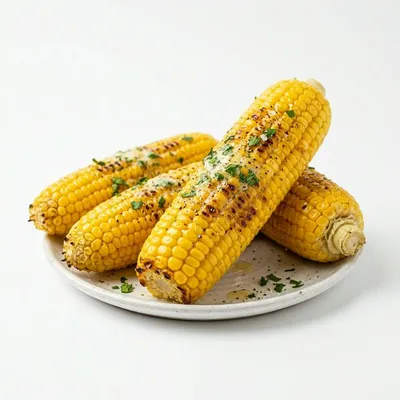
Corn calories per 100g: 86 kcal (boiled)
Nutrition facts per 100g (sweet corn, boiled)
Corn Nutrition Analysis: A Global Staple
Corn, also known as maize, is a fundamental cereal grain in global agriculture. While classified as a grain when dried and milled into flour, the fresh kernels consumed off the cob are nutritionally categorized as a starchy vegetable. This dual classification highlights its versatility as both a staple crop and a seasonal vegetable.
A standard 100-gram serving of boiled sweet corn provides approximately 86 calories. It contains 19 grams of carbohydrates, 3.2 grams of protein, and 1.2 grams of fat. The carbohydrates in sweet corn consist of simple sugars and complex starches. This portion also supplies 2.4 grams of dietary fiber, which aids in digestion and helps regulate blood sugar levels. You can use the CalMind photo calorie tracker to scan your plate and log precise nutritional data for your portion size.
The Role of Starchy Vegetables
Starchy vegetables like sweet corn are sometimes avoided in low-carbohydrate diets. However, fresh corn provides important nutrients, including B-vitamins such as folate and thiamine, which are necessary for energy metabolism. The yellow pigmentation in corn indicates the presence of lutein and zeaxanthin, antioxidants that support macular eye health.
The caloric density of sweet corn increases significantly based on preparation methods. A plain, boiled ear of corn contains about 77 calories. Adding butter, oil, or cream sauces will substantially increase the total caloric and fat content. It is important to account for these additions when tracking macronutrients.
🔥 How to burn 86 Calories (100g serving)?
- Run (6 mph pace): 8 minutes
- Cycle (Moderate effort): 12 minutes
- Walk (3.5 mph brisk pace): 23 minutes
- Rowing (Vigorous): 8 minutes
Note: Caloric expenditure varies based on age, gender, and current body weight.
Resistant Starch and Blood Sugar Control
Corn contains resistant starch, particularly when it is cooked and then cooled. Resistant starch resists digestion in the small intestine and passes into the large intestine, where it acts as a prebiotic for beneficial gut bacteria.
During fermentation in the large intestine, these bacteria produce short-chain fatty acids (SCFAs), such as butyrate. Butyrate supports gut health and can improve insulin sensitivity. Because resistant starch is not rapidly broken down into glucose, it can help moderate the glycemic impact of the meal.
Antioxidants in Colored Corn Varieties
While yellow sweet corn is common, heritage varieties of corn come in colors like red, blue, and purple. These colors indicate the presence of specific antioxidants.
Purple and blue corn contain anthocyanins, which are compounds known for their antioxidant properties. These compounds help reduce oxidative stress. Yellow corn is particularly rich in lutein and zeaxanthin, carotenoids that are beneficial for eye health.
Corn & Maize Products: Nutrition Comparison (Per 100g)
*Milling and drying corn radically increases its carbohydrate and caloric density per 100g compared to fresh forms.
Frequently Asked Questions
How many calories are in corn per 100g?
Boiled sweet corn has about 86 calories per 100g, with roughly 19g carbs.
How many calories are in one ear of corn?
A medium boiled ear is typically around 75-90 calories, depending on size.
Is canned corn less healthy than fresh corn?
Macros are similar, but canned corn can be higher in sodium. Choose no-salt-added options when possible.
Can corn fit a calorie-deficit diet?
Yes. Corn can fit fat-loss plans when portions and added toppings like butter are controlled.