 CalMind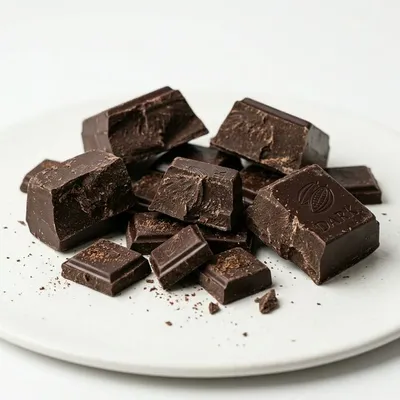
Chocolate calories per 100g: 546 kcal
Nutrition Facts per 100g
Chocolate nutrition: dark vs milk, sugar, fat, cocoa, and portions
Chocolate has about 546 calories per 100g, but the exact number depends on cocoa percentage, sugar, milk solids, and added fillings. A small square can fit a balanced diet; an unmeasured bar can quickly become a high-calorie snack.
Dark chocolate usually has more cocoa and less sugar, while milk chocolate is often sweeter and easier to overeat. Scan chocolate, desserts, or snack plates with the CalMind photo calorie tracker to log the real portion.
The Dark vs. Milk Chocolate Dilemma
The meaningful body differences between dark chocolate and standard commercial milk chocolate cannot be overstated. Milk chocolate formulas significantly reduce the total volume of raw cocoa solids, replacing them entirely with large influxes of highly refined sugars and whole milk powders. This chemical substitution fundamentally strips away the vast majority of the protective cardiovascular antioxidants while exponentially increasing the rapid glycemic impact on your bloodstream. Consuming milk chocolate triggers a sharp insulin spike followed by a rapid energy crash, driving subsequent cravings.
Conversely, premium dark chocolate contains significantly less total sugar and delivers intense, deeply bitter flavor profiles that naturally force slower consumption and promote much faster psychological satiety. A small, carefully measured 1-ounce square of high-percentage dark chocolate functionally acts as the practical structured dessert, satisfying extreme sweet cravings without utterly destroying a well-planned caloric deficit.
🔥 How to burn 546 Calories (100g serving)?
- Run (6 mph pace): 54 minutes
- Cycle (Moderate effort): 78 minutes
- Walk (3.5 mph brisk pace): 136 minutes
- Rowing (Vigorous): 52 minutes
Note: Caloric expenditure varies based on age, gender, and current body weight.
The body Power of Cocoa Flavanols
The true energy superpower concealed within authentic dark chocolate originates directly from its large, highly concentrated density of organic cocoa flavanols. These unique plant-based phytonutrients act as meaningful overall vasodilators once fully absorbed into the human bloodstream. By actively triggering the internal rapid body production of nitric oxide, these specific flavanols often signal the delicate muscular walls lining your primary blood vessels to physically relax and explicitly widen. This targeted mechanical vasodilation predictably significantly lowers overall resting blood pressure and intelligently enhances active blood flow directly to both the complex cardiovascular heart muscle and the dense neurological core of the human brain.
Furthermore, extensive clinical nutritional research strongly suggests that maintaining a strict, moderate daily intake of high-cacao dark chocolate (roughly 15 to 20 grams) provides robust, measurable cellular protection against dangerous oxidative stress. The raw cocoa bean historically ranks among the single highest-scoring body foods on the Oxygen Radical Absorbance Capacity (ORAC) scale, meaning it possesses a breathtakingly meaningful biochemical ability to rapidly identify, strongly neutralize, and safely eliminate highly destructive free radicals circulating freely within the body, thereby actively combating premature cellular aging.
Navigating the Addictive Sugar Matrix
Despite the legitimate, scientifically verified health benefits intrinsically tied to the bitter cocoa solid itself, the modern chocolate industry remains primarily anchored by the strong, hyper-palatable combination of highly refined carbohydrate sugars and extremely dense liquid fats. This specific, completely artificial macronutrient ratio is explicitly biologically engineered by commercial food scientists to forcefully trigger a large, high release of dopamine deep within the human brain's core reward centers. This powerful chemical neurological response drives the famous psychological phenomenon commonly recognized as intense chocolate craving.
To safely harvest the genuine nutritional benefits of chocolate without accidentally triggering this vicious cycle of addictive overconsumption, nutritional experts universally command shifting personal dietary preferences sharply toward the 85% to 90% cacao range. At this exceptionally high concentration, the absolute total sugar volume drops so significantly low that the resulting deep, intensely robust, often astringent flavor profile naturally physically prohibits rapid binge eating. This brilliant natural chemical defense mechanism seamlessly ensures you consume only the mainly required minimum dose needed for sustained body benefits while mathematically maintaining a pristine, uncompromised daily caloric deficit. To perfectly balance your sweet tooth, use the CalMind photo calorie tracker. Just take a picture of your chocolate square, and our AI will immediately recognize the portion and deliver accurate sugar, fat, and calorie macros directly to your screen.
Chocolate Varieties: Nutrition Comparison (Per 100g)
*Note: A vast majority of the carbohydrates in unsweetened cocoa powder actually consist of indigestible dietary fiber.
Frequently Asked Questions
How many calories are in chocolate per 100g?
Chocolate has about 546 calories per 100g, though dark, milk, and white chocolate vary by fat and sugar.
Is dark chocolate lower in calories than milk chocolate?
Not always. Dark chocolate often has less sugar but more cocoa fat, so calories can be similar or higher than milk chocolate.
How many carbs are in chocolate?
A typical 100g portion has about 61g carbs, but higher-cacao dark chocolate usually has less sugar and more fiber.
Does chocolate have caffeine?
Yes. Dark chocolate contains caffeine and theobromine, so evening portions may affect sleep for sensitive people.