 CalMind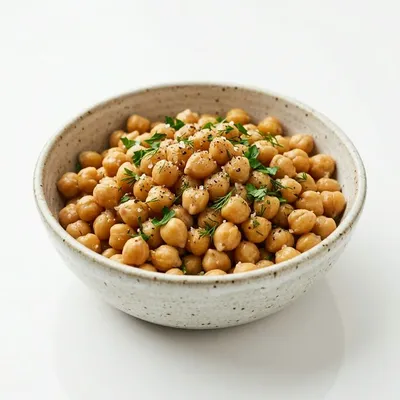
Chickpeas calories per 100g: 164 kcal
Nutrition Facts per 100g
Chickpeas nutrition: calories, protein, carbs, and hummus
Cooked chickpeas have about 164 calories per 100g, with 8.9g protein, 27.4g carbs, and 7.6g fiber. They are filling and useful for plant-based meals, but roasted chickpeas and hummus can become calorie-dense when oil or tahini is added. Use the CalMind photo calorie tracker to scan chickpea bowls, salads, or dips and estimate the real portion.
Satiety, Fiber, and Digestive Health
The physiological advantages of regular chickpea consumption primarily rely upon their massive dietary fiber content. Soluble fiber acts like a biological sponge inside the digestive tract, absorbing water and expanding significantly inside the stomach. This biological mechanism dramatically slows down the overall digestive process, actively promoting a profound, sustained feeling of physical fullness. Consequently, incorporating a healthy portion of roasted chickpeas or smooth hummus into your afternoon meal powerfully suppresses the psychological urge to snack on highly processed, calorie-dense convenience foods.
Beyond weight management, this dense fiber content is explicitly crucial for maintaining a healthy intestinal microbiome. The undigested complex carbohydrates effectively serve as highly potent prebiotics, directly feeding the beneficial bacterial colonies residing securely within your lower gut. Furthermore, chickpeas proudly offer a robust, highly concentrated array of critical biological micronutrients, explicitly including vital folate (Vitamin B9), essential systemic systemic iron, crucial phosphorus, and highly active manganese, firmly establishing them as a genuine nutritional superfood.
🔥 How to burn 164 Calories (100g serving)?
- Run (6 mph pace): 16 minutes
- Cycle (Moderate effort): 23 minutes
- Walk (3.5 mph brisk pace): 41 minutes
- Rowing (Vigorous): 15 minutes
Note: Caloric expenditure varies based on age, gender, and current body weight.
Plant-Based Protein and Amino Acid Synergy
From a strict physiological perspective, chickpeas act as a formidable cornerstone of modern plant-based nutrition. Providing nearly 9 grams of clean protein per standard 100-gram serving, they offer critical structural support for muscular repair. However, similar to most legumes, chickpea protein is technically considered 'incomplete.' This classification indicates they lack sufficient volumes of methionine, an essential amino acid mandated for human cellular replication.
Fortunately, ancient global culinary traditions organically solved this biochemical dilemma centuries ago. By instinctively pairing chickpeas with complementary grains—such as tossing them over whole-wheat couscous, rolling falafel inside warm pita bread, or serving them alongside brown rice—you quickly complete the missing amino acid sequence. This highly strategic nutritional synergy guarantees your body receives a comprehensive, fully complete amino acid profile required for metabolic processes.
Micronutrient Density and Iron Absorption
Beyond macros, the chickpea functions as a nutritional powerhouse for critical daily micronutrient acquisition. They deliver a robust volume of dietary iron, which remains absolutely necessary for the biological transport of oxygen within the blood and preventing clinical anemia, particularly within vegan populations lacking red meat iron sources.
However, the specific plant-based non-heme iron native to chickpeas requires biochemical assistance for optimal intestinal absorption. Integrating Vitamin C-rich foods directly into your chickpea meals—such as squeezing fresh lemon juice over a chickpea salad, or pairing them with vibrant diced bell peppers—significantly maximizes this biological absorption rate. This specific culinary synergy organically transforms the chickpea into a masterfully bioavailable functional delivery mechanism safely and efficiently.
Legumes & Pulses: Nutrition Comparison (Cooked, Per 100g)
*Roasting legumes significantly eliminates water weight while significantly concentrating caloric density.
Frequently Asked Questions
How many calories are in cooked chickpeas per 100g?
Cooked chickpeas have about 164 calories per 100g, with 8.9g protein, 27.4g carbs, and 7.6g fiber.
Are chickpeas good for weight loss?
Yes in measured portions. Their protein and fiber improve fullness, but large servings still add carbs and calories.
Are roasted chickpeas higher in calories?
They can be. Roasting removes water, and oil used for crisping can raise the final calories quickly.
Is hummus higher in calories than chickpeas?
Usually yes. Hummus adds tahini and olive oil, so the same weight is often higher in fat and calories.