 CalMind
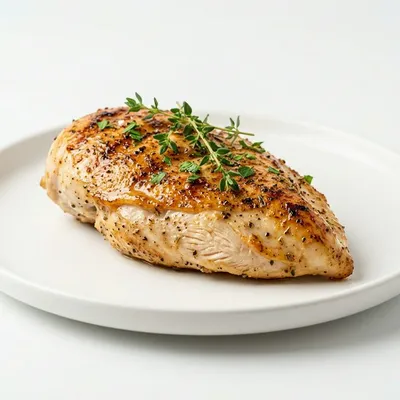
Chicken breast calories per 100g: 165 kcal
Nutrition facts per 100g (cooked, skinless)
Chicken Breast Nutrition Analysis: A Staple for Lean Muscle
In the context of health, bodybuilding, and weight management, skinless chicken breast is recognized as a primary source of lean animal protein. Unlike fattier red meats or carbohydrate-rich plant-based protein alternatives, chicken breast provides an isolated macronutrient profile. It is valued not only for its protein content but also for its low dietary fat and absence of carbohydrates. This nutritional profile makes it a useful dietary component for individuals managing their caloric intake while focusing on muscle synthesis and recovery.
A standard 4-ounce (113-gram) serving of raw, skinless chicken breast provides approximately 185 calories. Within this serving, it delivers about 35 grams of complete protein, containing all nine essential amino acids required for cellular repair. With a fat content of roughly 4 grams per serving, adjusting portion sizes to meet daily protein targets can be achieved with minimal impact on total caloric intake. Using the CalMind photo calorie tracker, you can scan your chicken breast portion to estimate and log protein, fats, and overall calories.
Satiety and Thermogenesis
Chicken breast is frequently included in fat loss protocols due to its effect on satiety and dietary thermogenesis. High-quality animal protein requires more digestive energy to break down compared to carbohydrates or fats. This process, known as the Thermic Effect of Food (TEF), means that the body expends a portion of the ingested calories simply during digestion and amino acid absorption. As a result, the net caloric impact is slightly lower than the absolute value.
Additionally, the structure of cooked muscle fibers can delay gastric emptying. Consuming a serving of chicken breast alongside fibrous vegetables promotes sustained fullness. This can help reduce the physiological urge to overeat or consume calorie-dense foods later in the day, supporting adherence to a caloric deficit.
🔥 How to burn 165 Calories (100g serving)?
- Run (6 mph pace): 16 minutes
- Cycle (Moderate effort): 24 minutes
- Walk (3.5 mph brisk pace): 44 minutes
- Rowing (Vigorous): 15 minutes
Note: Caloric expenditure varies based on age, gender, and current body weight.
Raw vs. Cooked Weight Variations
A common point of confusion when tracking macronutrients is the discrepancy between raw and cooked chicken breast weights. Raw poultry muscle tissue is composed of approximately 75% water. During cooking methods such as boiling, grilling, or baking, a significant amount of this moisture is expelled as steam. As a result, a chicken breast typically loses about 25% to 30% of its physical weight during preparation.
Because the protein remains intact while the water evaporates, 100 grams of fully cooked chicken breast is more nutritionally dense than 100 grams of raw chicken breast. For accuracy in logging meals, it is recommended to weigh the chicken breast raw before cooking. If weighing after cooking, ensure that the nutritional data used is specifically calibrated for cooked chicken breast to prevent underestimating caloric intake.
Protein Bioavailability and Micronutrients
The protein in skinless chicken breast has a high Biological Value (BV), indicating that the human digestive system can effectively extract and utilize its constituent amino acids. This high bioavailability makes it suitable for individuals seeking muscular tissue repair after resistance training.
Furthermore, chicken breast provides notable amounts of Vitamin B6 (Pyridoxine) and Niacin. These B-complex vitamins serve as metabolic co-factors, supporting the cellular mechanisms responsible for energy metabolism.
Chicken Cuts: Nutrition Comparison (Cooked, Per 100g)
*Removing the skin significantly reduces total calories and fat density across all poultry pieces.
Frequently Asked Questions
How many calories are in cooked chicken breast per 100g?
Cooked, skinless chicken breast has about 165 calories per 100g and is high in lean protein.
How much protein is in chicken breast per 100g?
A 100g cooked portion typically provides around 31g protein.
Does cooking method change chicken breast calories?
The meat itself stays similar per weight, but added oil, butter, or breading can increase total calories.
Is chicken breast good for weight loss?
Yes. It is high in protein and helps satiety when paired with an overall calorie-controlled diet.
Sources, U.S. scope, and fact check
Reference item: USDA FoodData Central, “Chicken, broilers or fryers, breast, meat only, cooked, roasted” (FDC ID 171477), at 165 kcal per 100g.
Applicable region: U.S. food-composition reference data. Last fact check: July 24, 2026. Skin-on, marinated, fried, and restaurant preparations require different data.
Editorial information
Written and edited by
Editor-in-Chief at CalMind. Leads editorial direction and English-language nutrition content.
Editorial disclosure added July 17, 2026. This page is not labeled as professionally reviewed unless a named reviewer and verifiable credential are shown.