 CalMind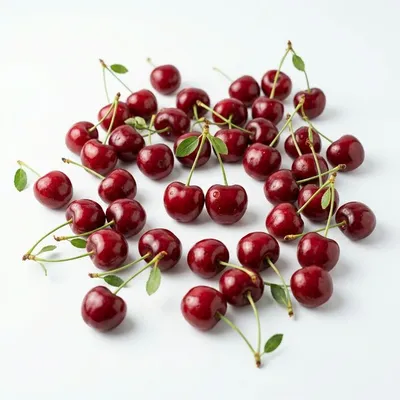
Cherry calories per 100g: 50 kcal
Nutrition Facts per 100g
Cherry nutrition: sweet cherries, juice, carbs, and portions
Sweet cherries have about 50 calories per 100g, mostly from natural carbs. They are easy to fit into a weight-loss plan, but bowls, smoothies, and tart cherry juice can add sugar quickly. Use the CalMind photo calorie tracker to scan fresh or frozen cherries and estimate the portion before logging your meal.
Carbohydrates and the Glycemic Index
A 100-gram serving of sweet cherries contains 12 grams of total carbohydrates, which includes 1.6 grams of dietary fiber. This leaves approximately 10.4 grams of net carbohydrates, primarily consisting of natural fruit sugars like fructose and glucose. The fiber matrix assists in digestion and supports gastrointestinal health.
Furthermore, sweet cherries possess a low Glycemic Index (GI), typically measuring around 22. This indicates that the natural sugars are absorbed gradually into the bloodstream, minimizing rapid spikes in blood glucose and insulin. This characteristic makes cherries a suitable fruit choice for individuals monitoring their blood sugar levels or seeking sustained energy.
Phytonutrients: Anthocyanins and Melatonin
The deep red and dark colorations of sweet and tart cherries are due to the presence of anthocyanins, a class of antioxidant flavonoid compounds. Anthocyanins have been studied for their role in reducing cellular inflammation.
Research suggests that consuming tart cherry juice can aid in physical recovery for athletes by mitigating muscle damage and inflammation, thereby reducing Delayed Onset Muscle Soreness (DOMS). Additionally, tart cherries are a natural source of melatonin. Consuming tart cherry juice may help regulate the circadian rhythm and improve sleep quality and duration.
🔥 How to burn 50 Calories (100g serving)?
- Run (6 mph pace): 5 minutes
- Cycle (Moderate effort): 7 minutes
- Walk (3.5 mph brisk pace): 12 minutes
- Rowing (Vigorous): 5 minutes
Note: Caloric expenditure varies based on age, gender, and current body weight.
Vitamins, Minerals, and Arthritis Management
A standard 100-gram serving of cherries provides potassium, which is necessary for nerve function, fluid balance, and blood pressure regulation. Cherries also supply Vitamin C, an essential nutrient for collagen synthesis and immune system function.
Clinically, cherries have been noted for their potential to help manage gout, an inflammatory arthritis caused by uric acid crystallization in the joints. Certain phenolic compounds in dark cherries may help reduce uric acid production and promote its excretion through the kidneys.
Storage and Preparation
Cherries are perishable and prone to mold if kept at room temperature. For optimal storage, unwashed cherries should be kept in an airtight container lined with dry paper towels in the refrigerator crisper drawer. This environment helps maintain firmness and delays decay for up to ten days.
When preparing fresh cherries for recipes, using a mechanical cherry pitter is recommended. It removes the pit while preserving the fruit structure and its juices.
Cherry Types & Forms: Nutrition Comparison (Raw, Per 100g)
*Juicing eliminates structural dietary fiber while heavily isolating active antioxidant compounds.
Frequently Asked Questions
How many calories are in cherries per 100g?
Sweet cherries have about 50 calories per 100g, with 12g carbs and very little fat.
Are cherries good for weight loss?
Yes in measured portions. They are low calorie for a sweet fruit, but large bowls add carbs quickly.
Is tart cherry juice better than whole cherries?
Not for fullness. Juice concentrates sugars and removes fiber, while whole cherries are easier to portion.
Are cherries keto-friendly?
Usually not in large servings. A cup can contain around 18-20g net carbs, so strict keto requires very small portions.