 CalMind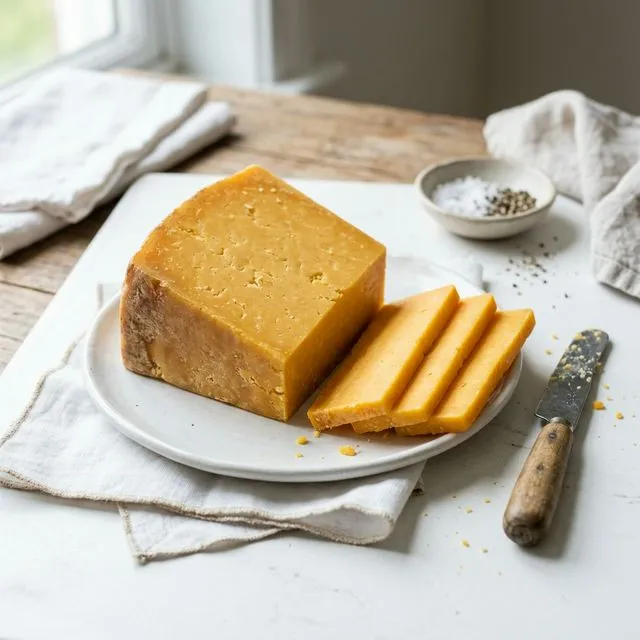
Cheese calories per 100g: 402 kcal cheddar
Nutrition Facts per 100g (Cheddar)
Cheese nutrition: cheddar calories, protein, mozzarella, and portions
Cheddar cheese has about 402 calories per 100g, with 25g protein and 33g fat. That makes cheese useful for protein, but easy to overeat if slices, shredded cheese, or sauces are not measured. Use the CalMind photo calorie tracker to scan a cheese plate, burger, salad, or pasta bowl and estimate the real portion before it pushes your meal over target.
Dairy Fats and Saturated Lipids
The caloric density in hard cheeses is primarily attributed to their high dietary fat content, which is approximately 33 grams per 100-gram serving (for cheddar). Derived from mammalian milk, this lipid profile consists largely of saturated fatty acids. Historically, saturated dairy fats were cited as primary dietary factors contributing to cardiovascular disease and elevated cholesterol.
However, modern epidemiological studies indicate that the specific structural matrix of fermented whole-fat dairy (the "dairy matrix effect") behaves differently in the metabolic system compared to isolated saturated fats found in processed meats. Moderate consumption of natural cheeses is not currently correlated with an increased statistical risk of developing metabolic syndrome or cardiovascular disease, and may even confer slight metabolic benefits.
Protein Profile and Muscle Synthesis
In addition to fats, hard cheeses provide a robust 25 grams of complete animal-based protein per 100 grams. As a complete physiological protein, it contains all nine essential amino acids required for tissue repair and maintenance.
Naturally fermented cheeses are particularly rich in casein, a complex dairy protein known for its slow gastric digestion rate. Consuming a serving of casein-rich cheese before bedtime provides a steady, sustained release of amino acids into recovering muscle tissues, which helps prevent muscular catabolism during overnight fasting periods.
🔥 How to burn 402 Calories (100g serving)?
- Run (6 mph pace): 40 minutes
- Cycle (Moderate effort): 57 minutes
- Walk (3.5 mph brisk pace): 100 minutes
- Rowing (Vigorous): 40 minutes
Note: Caloric expenditure varies based on age, gender, and current body weight.
Calcium Reservoir and Bone Health
Hard aged cheeses, such as cheddar and parmesan, are excellent sources of highly bioavailable dietary calcium. A standard 100-gram serving delivers roughly 721 milligrams of calcium, representing a significant portion of the recommended daily intake.
This calcium works symbiotically with the high concentrations of phosphorus found in cheese to maintain skeletal bone density, mitigate age-related osteoporosis, and strengthen dental enamel. Furthermore, the natural fermentation process generates Vitamin K2. Vitamin K2 helps direct circulating calcium into the bones, preventing it from calcifying inside cardiovascular arterial walls.
Probiotics and Microbiome Benefits
Certain unpasteurized raw-milk cheeses, or those aged with live active cultures (such as Swiss Gruyère or Roquefort), function as natural delivery systems for beneficial probiotic bacterial strains. The structured dairy fat matrix in premium aged cheese helps shield these sensitive lactobacilli microorganisms from harsh stomach acid.
This allows a higher percentage of the probiotic bacteria to reach the lower intestinal tract intact. Once established in the gut microbiome, these beneficial bacteria can help reduce intestinal inflammation, improve digestion, and support the structural integrity of the intestinal lining, contributing to overall digestive and immune health.
Cheese Varieties: Nutrition Comparison (Per 100g)
*Moisture content dramatically alters energy density. Soft cheeses carry significantly more water weight.
Frequently Asked Questions
How many calories are in cheddar cheese per 100g?
Cheddar has about 402 calories per 100g, with 25g protein, 33g fat, and very few carbs.
Is mozzarella lower in calories than cheddar?
Usually yes. Fresh mozzarella is higher in water and often around 280 calories per 100g.
Is cheese good for protein?
Yes. Many cheeses provide complete dairy protein, but portions matter because fat raises calories quickly.
Are aged cheeses lower in lactose?
Yes. Aged cheddar, gouda, and parmesan are typically very low in lactose.