 CalMind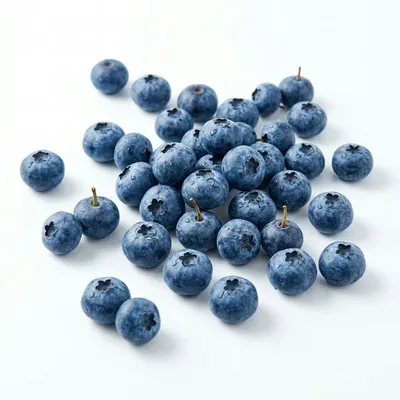
Blueberry calories per 100g: 57 kcal
Nutrition facts per 100g (raw blueberries)
Blueberry nutrition: fresh, frozen, cups, fiber, sugar, and portions
Fresh blueberries have about 57 calories per 100g. One cup is usually around 80-85 calories, with natural carbs, fiber, and very little fat.
Blueberries are easy to fit into a calorie target, but bowls with yogurt, granola, honey, or nut butter can add up. Use the CalMind photo calorie tracker to scan the full serving instead of estimating a handful.
The Antioxidant Masterclass: Anthocyanins and ORAC Scores
The true, unrivaled power of the blueberry lies deeply hidden within its exceptionally dark pigmentation. The striking, deep blue-purple hue of the blueberry skin is a direct visual indicator of an extreme concentration of anthocyanins. Anthocyanins are an elite subclass of flavonoid polyphenols—highly potent, biologically active antioxidant compounds. In extensive laboratory testing utilizing the Oxygen Radical Absorbance Capacity (ORAC) scale—a scientific method used specifically to quantify the total antioxidant capacity of foods—wild blueberries consistently rank higher than almost any other commonly consumed fruit or vegetable on the planet.
When you consume a handful of blueberries, these anthocyanins strongly patrol your bloodstream, actively hunting down and neutralizing highly destructive free radicals. Free radicals are highly unstable, oxygen-containing molecules that cause severe oxidative stress and meaningful cellular damage to your DNA. By neutralizing these dangerous molecules, the daily consumption of blueberries demonstrably reduces overall, whole-body inflammation, significantly lowers the long-term risk of developing severe cardiovascular disease, and actively protects your delicate cellular architecture against premature aging and specific malignant cellular mutations.
🔥 How to burn 84 Calories (1 standard cup)?
- Run (6 mph pace): 8 minutes
- Cycle (Moderate effort): 12 minutes
- Walk (3.5 mph brisk pace): 23 minutes
- Vigorous Yoga: 18 minutes
Note: Caloric expenditure varies based on age, gender, and current body weight.
Micronutrients: A Factory of Vitamin C and Vitamin K
Beyond their legendary antioxidant capacity, blueberries are an exceptional source of several critically important, foundational vitamins. A standard one-cup serving (roughly 148 grams) delivers nearly 24% of the Recommended Daily Allowance (RDA) of Vitamin C. This powerful, water-soluble vitamin is important for the body synthesis of structural collagen, maintaining robust immune system function, and significantly enhancing the intestinal absorption of dietary iron.
Even more impressively, blueberries are incredibly rich in Vitamin K1 (phylloquinone), providing an notable 36% of your daily requirement in a single cup. Vitamin K is a highly specialized, fat-soluble vitamin that is directly responsible for synthesizing the specific proteins required for normal blood clotting mechanisms. Furthermore, Vitamin K works powerfully in direct body synergy with Vitamin D and dietary calcium to actively facilitate long-term bone mineralization, keeping your skeletal structure dense and highly resistant to fractures. Finally, blueberries supply a large 25% of the RDA for Manganese, a trace mineral vital for healthy amino acid, cholesterol, and carbohydrate metabolism.
Blueberries and Blood Pressure Regulation
Beyond their often documented benefits for cognitive preservation and total-body inflammation reduction, blueberries exhibit a meaningful capability to actively regulate and stabilize overall blood pressure. This powerful cardioprotective effect is primarily driven by their large concentration of dietary anthocyanins and specific polyphenols that physically interact with the endothelial cells lining the interior of your blood vessels. These specific compounds stimulate the strong production of endogenous nitric oxide within the cardiovascular system.
Nitric oxide is a critical biomolecule that functions as a potent vasodilator; it chemically forces the smooth muscle tissues surrounding your blood vessels to physically relax and widen. By naturally improving endothelial function and keeping the arteries highly flexible and dilated, the daily consumption of blueberries (even as little as one standard cup per day, roughly 50 grams) has been clinically shown in double-blind nutritional studies to significantly lower both systolic and diastolic blood pressure readings in adults actively suffering from energy syndrome or pre-hypertension.
The Post-Workout Recovery Hack
While most fitness enthusiasts immediately reach for large quantities of isolated protein powder following a grueling resistance training session, strategically incorporating blueberries into a post-workout protocol offers exceptionally unique body benefits. Strenuous, intense exercise inherently causes thousands of microscopic physical tears and severe trauma to the muscle fibers. This acute physical damage immediately triggers a localized inflammatory response and large oxidative stress throughout the working tissues, leading directly to Delayed Onset Muscle Soreness (DOMS).
The astonishingly high concentration of antioxidants specifically found within blueberries actively combats this exercise-induced oxidative stress at a cellular level. By often consuming blueberries (particularly in a blended liquid format for rapid gastric emptying) immediately after intense physical exertion, the specialized polyphenols can significantly accelerate the molecular rate of muscle tissue repair, often mute the painful inflammatory response, and significantly expedite the overall timeline required for full muscular recovery. It is a completely natural, extremely low-calorie method for substantially upgrading your body adaptation to rigorous training.
Berries Comparison: Nutrition (Per 100g)
*Net Carbs = Total Carbs - Fiber.
Frequently Asked Questions
How many calories are in blueberries per 100g?
Blueberries have about 57 calories per 100g.
How many calories are in one cup of blueberries?
One cup (about 148g) is roughly 80-85 calories.
Are frozen blueberries less nutritious than fresh?
Not usually. Frozen blueberries can retain nutrients well when frozen soon after harvest.
Can blueberries fit low-carb diets?
Yes, in measured portions. They are lower in carbs than many fruits but still count toward daily carbs.