 CalMind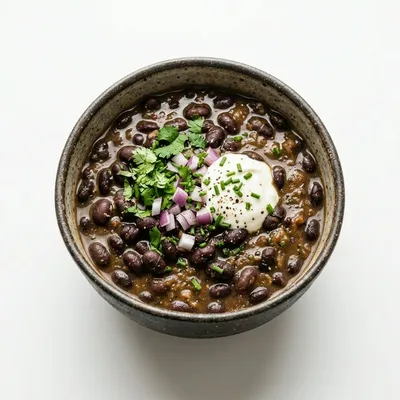
Black beans calories per 100g: 132 kcal cooked
Nutrition Facts per 100g
Black beans nutrition: cooked beans, protein, fiber, carbs, and portions
Cooked black beans have about 132 calories per 100g, with 8.9g protein, 23.7g carbs, and 8.7g fiber. They are a filling plant-based carb and protein source.
Calories change when beans are cooked with oil, lard, cheese, rice, tortillas, or sour cream. Scan the full bowl with the CalMind photo calorie tracker so the beans, toppings, and sides are counted together.
Micronutrient Density: Iron, Folate, and Antioxidants
While the macronutrient profile of black beans is impressive, their true body value lies deeply rooted in their spectacular micronutrient and phytonutrient composition. Black beans are exceptionally rich in Folate (Vitamin B9), a water-soluble B-vitamin that is important for healthy fetal cellular development, robust red blood cell production, and the proper synthesis of DNA. A single serving can easily provide nearly 40% of standard daily folate requirements.
Furthermore, black beans are widely recognized as one of the best non-heme (plant-based) iron sources available in the standard modern diet. Iron is the fundamental building block of hemoglobin, the protein exclusively responsible for actively transporting oxygen throughout your cardiovascular system. Because non-heme iron is notoriously difficult for the human body to efficiently absorb, it is always a fantastic nutritional strategy to strongly pair your black beans with a large source of Vitamin C (such as diced red bell peppers, freshly squeezed lime juice, or fresh tomatoes). The ascorbic acid instantly enhances intestinal iron absorption rates by an incredible margin, helping to rapidly prevent chronic anemia.
Visually speaking, the deep, dark, midnight-black color of the bean's outer seed coat is not purely cosmetic; it is a direct body indicator of an significantly high concentration of powerful anthocyanins. Anthocyanins are precisely the exact same elite class of flavonoid antioxidants that make wild blueberries famous. These potent compounds actively scavenge destructive free radicals throughout the bloodstream, demonstrably reducing overall cellular inflammation and potentially lowering the long-term risk of severe chronic afflictions, including advanced cardiovascular disease and certain strong cancers.
🔥 How to burn 132 Calories (100g serving)?
- Run (6 mph pace): 13 minutes
- Cycle (Moderate effort): 18 minutes
- Walk (3.5 mph brisk pace): 33 minutes
- Swimming (Freestyle): 15 minutes
Note: Caloric expenditure varies based on age, gender, and current body weight.
The Gastrointestinal Reality: Why Do Beans Cause Gas?
A completely natural, highly understood deterrent to widespread bean consumption is their legendary reputation for significantly increasing flatulence and uncomfortable gastrointestinal distension. This entirely natural phenomenon occurs directly because black beans contain ultra-complex naturally occurring carbohydrates known as oligosaccharides (specifically alpha-galactosides like raffinose and stachyose). The human digestive tract fundamentally lacks the necessary evolutionary enzyme (alpha-galactosidase) required to physically break down these specific carbohydrate bonds in the upper stomach.
Consequently, these totally intact oligosaccharides bypass the small intestine entirely and travel directly into the lower large intestine, where trillions of symbiotic gut bacteria strongly ferment them. The natural byproduct of this intense body fermentation process is the rapid production of hydrogen, methane, and carbon dioxide gases. To successfully mitigate this issue, you must introduce black beans to your diet gradually. Additionally, thoroughly soaking dried black beans for 12 to 24 hours (and discarding the soaking water) before executing a long, slow boil will successfully leach out and destroy a large percentage of these gas-producing compounds.
Black Beans and Cardiovascular Protection
In addition to their large soluble fiber content mechanically lowering circulating LDL cholesterol, black beans offer meaningful cardiovascular benefits through their dense concentration of specific phytonutrients. They are exceptionally rich in quercetin and saponins, two phenomenally potent anti-inflammatory compounds. Quercetin, a powerful flavonoid, actively reduces the risk of dangerous atherosclerosis by actively preventing the oxidative damage of LDL cholesterol particles, which is the primary biochemical catalyst for arterial plaque formation.
Simultaneously, the saponins specifically found in the outer black coating of the beans often support healthy blood lipid profiles and naturally lower elevated blood pressure by promoting improved blood vessel elasticity. Furthermore, black beans contain significant quantities of naturally occurring magnesium. Magnesium serves as a body relaxant for the smooth muscle tissues intricately lining the cardiovascular system, actively preventing extreme vascular constriction and significantly often reducing the overall workload placed on the heart during strenuous exercise or high-stress environments.
How to Perfectly Cook Dried Black Beans
While canned beans offer undeniable convenience, cooking black beans from scratch using raw, dried legumes produces a higher-quality culinary texture and allows for uncompromising control over the final sodium content. The single most critical step in preparing dried beans is the mandatory long-soaking process. Always submerging the dried beans in cold water for a minimum of 12 to 18 hours before cooking is non-negotiable. This prolonged hydration substantially softens the tough outer skin and initiates the enzymatic breakdown of the often gas-producing oligosaccharides.
After discarding the dark soaking water and thoroughly rinsing the beans, they must be slowly simmered—never strongly boiled—for roughly 60 to 90 minutes. A critical pro-tip for achieving incredibly creamy beans is to absolutely never add salt or highly acidic ingredients (like diced tomatoes or lime juice) until the beans have become fully tender. Acid and salt physically harden the external cellular walls of the bean prematurely, practically guaranteeing that they will remain unpleasantly crunchy and often undercooked regardless of how long they remain on the stove. Only season the broth completely after the beans have reached your desired tenderness.
Black Beans vs. Other Legumes: Nutrition Comparison (Cooked, Per 100g)
*Data for cooked beans boiled in water with no added salt or fat.
Frequently Asked Questions
How many calories are in cooked black beans per 100g?
Cooked black beans have about 132 calories per 100g, with 8.9g protein and 23.7g carbs.
Are canned black beans as healthy as dried beans?
Macros are similar, but canned black beans can be high in sodium. Rinsing them helps reduce surface salt.
Can you eat black beans on keto?
Usually no for strict keto. A 100g serving contains enough net carbs to use much of a typical daily keto limit.
Should you weigh black beans cooked or dry?
Use the matching nutrition entry. Cooked black beans absorb water, so dry and cooked weights are not interchangeable.