
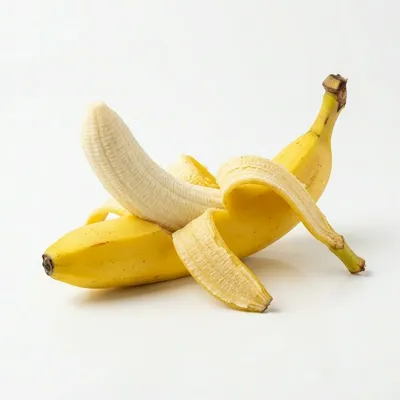
AI Scan of Calories in Banana

Calories in Banana: AI Macro Tracker

Nutrition Facts per 100g (Approx. 1 Small/Medium Banana)

89Calories
1.1gProtein
23gCarbs
0.3gFat

Banana Nutrition Analysis: The Ultimate Natural Energy Source

The banana (Musa species) is globally recognized as one of the most accessible, affordable, and highly consumed fruits on the planet. Naturally pre-packaged in its own biodegradable wrapper, it is the quintessential on-the-go snack. From a macronutrient perspective, a standard 100-gram serving of raw banana yields approximately 89 calories. While this makes bananas slightly more calorie-dense than water-heavy fruits like watermelon or strawberries, the calories provided are entirely derived from high-quality, rapidly digestible carbohydrates. For athletes, highly active individuals, and growing children, bananas represent a premier source of immediate and sustained biological energy. Guessing whether you just ate a medium or large banana can skew your tracking. Instead, simply use the CalMind photo calorie tracker. Point your camera at the fruit, and the AI correctly gauges the size to instantly update your food log with precise macros.

Deconstructing the Carbohydrate Profile

When evaluating the nutritional profile of a banana, you are primarily looking at a pure carbohydrate delivery system. A 100g serving contains 23 grams of total carbohydrates. However, the exact composition of these carbohydrates changes dramatically based on the ripeness of the fruit. In a green, underripe banana, a massive proportion of these carbohydrates exist as resistant starch. Resistant starch is a unique type of carbohydrate that actively resists digestion in the stomach and small intestine, functioning much like soluble fiber. It passes unchanged into the colon, where it ferments and acts as an incredibly potent prebiotic, feeding beneficial gut bacteria and producing short-chain fatty acids (SCFAs) like butyrate, which promote optimal colon health.

As the banana ripens and turns yellow (and eventually develops brown spots), powerful natural enzymes rapidly convert this resistant starch into highly digestible simple sugars—sucrose, fructose, and glucose. A fully ripe, brown-spotted banana is essentially pre-digested sugar, which is why it tastes exponentially sweeter than a green banana. This specific biochemical transformation is exactly what makes ripe bananas the indisputable gold standard for an immediate pre-workout energy spike or a rapid post-workout glycogen replenishment tool.

The Truth About Banana Fiber and Satiety

Despite their reputation for being "sugary," bananas provide a very solid 2.6 grams of dietary fiber per 100g serving. While this might seem modest compared to a cup of raspberries, the specific type of fiber in bananas consists heavily of pectin. Pectin is a structural, water-soluble fiber that physically slows the rate at which the stomach empties its contents. When you consume a medium banana (roughly 118 grams, yielding just over 100 calories and 3 grams of fiber), the pectin forms a dense gel in the digestive tract. This severely blunts the expected blood sugar spike and powerfully increases feelings of satiety, effectively keeping mid-morning or mid-afternoon hunger pangs completely at bay.

Micronutrients: A Factory of Potassium and Vitamins

The global association between bananas and potassium is scientifically well-founded. A 100g serving of banana delivers roughly 358mg of potassium (roughly 10% of the recommended daily intake). Potassium is an essential, positively charged intracellular electrolyte that is fundamentally required for heart muscle contraction, smooth nerve transmission, and maintaining strict cellular fluid balance. High potassium diets are causally linked to significantly lowered blood pressure, as potassium actively helps the kidneys excrete excess sodium into the urine.

Beyond potassium, bananas are an excellent, highly bioavailable source of Vitamin B6. A single medium banana can provide nearly 33% of your daily Vitamin B6 requirement. Vitamin B6 is a crucial coenzyme heavily involved in amino acid metabolism, the creation of neurotransmitters (such as serotonin and dopamine), and the production of red blood cells. Bananas also offer a surprisingly respectable dose of Vitamin C (about 10% of the Daily Value), magnesium, and manganese, further rounding out their impressive micronutrient profile.

🔥 How to burn 105 Calories (1 medium banana)?

  • Run (6 mph pace): 10 minutes
  • Cycle (Moderate effort): 14 minutes
  • Walk (3.5 mph brisk pace): 28 minutes
  • High-Intensity Interval Training: 11 minutes

Note: Caloric expenditure varies based on age, gender, and current body weight.

Are Bananas Good for Weight Loss?

A persistent, highly pervasive nutritional myth claims that bananas cause weight gain because they are "full of sugar and carbs." This is utterly false. No single whole food inherently causes fat gain—weight gain is dictated exclusively by a sustained caloric surplus. At roughly 105 calories for a medium-sized fruit, a banana is an incredibly lightweight, nutrient-dense snack. Compared to a highly processed, 250-calorie protein bar or a sugary 300-calorie coffee shop muffin, grabbing a banana is a vastly superior choice for caloric management. The physical combination of water (75%) and pectin fiber ensures that those 105 calories actually register physical fullness in your stomach. If you wish to slow the digestion even further and enhance the satiety profile, simply pair your banana with a source of healthy fat or protein, such as a tablespoon of natural peanut butter, a handful of raw almonds, or a scoop of unflavored Greek yogurt.

Bananas and Advanced Muscle Cramping Prevention

For decades, professional athletes have instinctively reached for a banana at the first sign of a debilitating muscle cramp. The science strongly supports this practice, though perhaps not for the exact reason most people assume. While the robust serving of potassium (roughly 422mg per medium banana) undeniably plays a massive role in regulating neuromuscular signaling and preventing electrical misfires in the muscle fibers, potassium alone is only part of the equation. Magnesium, another critical intracellular mineral found in dense quantities within a banana, is the biological master switch that signals contracted muscle tissue to physically relax and decouple. A deficiency in either mineral creates an environment where muscles lock up and refuse to release. By providing a simultaneous, highly bioavailable dose of both potassium and magnesium alongside rapidly digesting carbohydrates to shuttle the minerals into the cells, a ripe banana acts as an acutely effective biological defense mechanism against severe athletic cramping.

Understanding the Resistant Starch in Green Bananas

If you have only ever consumed soft, deeply yellow bananas covered in brown speckles, you are missing out on an entirely different category of nutritional benefits found exclusively in underripe, structurally solid green bananas. Green bananas contain a staggering amount of a very specific compound known as resistant starch Type 2 (RS2). As the name implies, this exact carbohydrate structure literally physically resists aggressive enzymatic breakdown in the human stomach and small intestine. Instead of being rapidly absorbed into the bloodstream as raw glucose, the resistant starch travels entirely intact all the way down into the large intestine.

Once inside the colon, the massive colonies of beneficial gut bacteria begin to ferociously ferment the starch. This vital fermentation process yields massive quantities of short-chain fatty acids, specifically butyrate. Butyrate is the primary, absolute preferred metabolic fuel source for the protective cells lining the colon, heavily suppressing internal localized inflammation and significantly lowering the statistical risk of developing serious colorectal complications. For those specifically seeking to radically optimize their gut microbiome, strategically incorporating slightly green bananas into a daily smoothie is a profound biological hack.

Frequently Asked Questions

Are bananas safe for individuals with diabetes?

Yes, but they must absolutely be consumed with strategic modification. Because fully ripe, deeply brown bananas have a much higher glycemic index (GI) due to the conversion of starches into simple sugars, they can cause a sharper rise in blood glucose levels. If you are actively managing diabetes, it is highly recommended to consume slightly green or barely yellow bananas, as the high resistant starch content dramatically lowers the glycemic impact. Additionally, always pair the banana with a dense protein or healthy fat source (like a handful of walnuts) to further physically delay gastric emptying and flatten the blood sugar curve.

Can eating too many bananas cause potassium toxicity?

For a healthy individual with normally functioning kidneys, this is functionally impossible through diet alone. Your kidneys are exceptionally efficient machinery specifically designed to filter out and excrete excess potassium via urine. You would have to consume roughly 400 bananas in a single day to reach a lethal dose of potassium. However, if you have advanced chronic kidney disease or are taking specific potassium-sparing diuretic medications, you must strictly limit your banana intake under direct medical supervision.

Is it better to eat a banana before or after a workout?

It is highly effective for both scenarios, but the physiological goals differ. Eating a fully ripe banana 30 to 45 minutes pre-workout provides an incredibly rapid, easily digestible infusion of simple sugars that will instantly fuel intense muscular contraction without causing severe gastrointestinal distress (cramping). Post-workout, consuming a banana triggers a highly insulinogenic response; this spike in insulin rapidly drives the massive surge of carbohydrates directly into the depleted muscle cells, aggressively kickstarting the essential glycogen replenishment and recovery process.

Can eating bananas before bed help me sleep?

Surprisingly, yes. Bananas naturally contain significant levels of tryptophan, an essential amino acid that the brain directly converts into serotonin, which is then converted into melatonin (the hormone that regulates the sleep-wake cycle). Furthermore, the high concentration of muscle-relaxing minerals like potassium and magnesium naturally helps to alleviate nighttime muscle cramps and physical tension, promoting a deeper, more restorative sleep.

Why do some bananas turn brown inside while the peel still looks yellow?

This highly frustrating phenomenon is almost always caused by improper temperature storage during commercial transportation. Bananas are profoundly sensitive to cold. If they are exposed to temperatures below 55°F (13°C) for even a short duration, it triggers a condition called 'chilling injury.' This physically destroys the cell walls internally, causing the inside flesh to oxidize and blacken prematurely, even while the external skin's ripening enzymes are temporarily halted, leaving the peel yellow.

Snap a photo. See calories & macros.

Start with one photo. CalMind instantly shows calories and macros—so staying consistent feels easy.