 CalMind
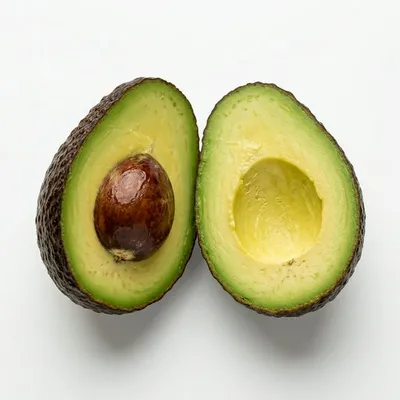
Avocado calories per 100g: 160 kcal
Nutrition facts per 100g + half/whole avocado estimates
Avocado Nutritional Comparison
Avocado Nutrition Analysis: The Ultimate Superfood
Often referred to as "nature's butter," the avocado (Persea americana) is a biologically unique fruit—technically a large berry containing a single seed. Unlike almost every other fruit in existence, which consists primarily of carbohydrates, the avocado is completely dominated by healthy fats. A standard 100-gram serving of avocado flesh yields 160 calories, making it exceptionally calorie-dense. However, do not let the high caloric value deter you; these calories come bundled with an unparalleled profile of essential macronutrients, vitamins, and minerals that make it a cornerstone of modern health protocols, including the Mediterranean and Ketogenic diets. Instead of guessing how much avocado you scooped onto your toast, simply use the CalMind photo calorie tracker. Snap a picture, and the AI algorithm easily estimates the volume and calculates the perfect macros directly into your daily log.
Deconstructing the Fats in Avocado
When you consume a 100g serving of avocado, you are taking in roughly 15 grams of total fat. However, the exact lipid profile of this fat is what makes the cardiovascular medical community revere the avocado. The vast majority (nearly 10 grams) of this fat is oleic acid, a monounsaturated fatty acid (MUFA) that is the exact same incredibly healthy fat found in high-quality extra virgin olive oil. Extensive scientific literature links dietary oleic acid to significantly decreased inflammation within the body and improved cardiovascular markers, such as a lowered LDL (bad) cholesterol and elevated HDL (good) cholesterol.
Beyond the monounsaturated fats, avocados contain small but essential amounts of polyunsaturated fats (PUFAs), including heart-healthy omega-3s and omega-6s. Because the fat is encased in a whole-food matrix containing significant amounts of water (73%) and dietary fiber, the body digests the lipids slowly, triggering intense and prolonged feelings of satiety. This is why adding just half an avocado to a salad can prevent you from feeling hungry again for hours.
Carbohydrates and Fiber Content
At first glance, a 100g serving of avocado contains 9 grams of carbohydrates. However, if you are actively tracking macros for a low-carb or keto diet, you must look closer at the composition of those carbs. Out of those 9 grams, an incredibly impressive 7 grams are completely indigestible dietary fiber. This leaves only 2 grams of "net carbohydrates," which is why avocados are celebrated as one of the most keto-friendly foods on the planet.
The fiber found in avocados is a mix of approximately 25% soluble and 75% insoluble fiber. The soluble fiber physically binds to water in your gastrointestinal tract, forming a thick gel that drastically slows down the digestion of surrounding foods, stabilizing blood sugar. The insoluble fiber adds vital bulk to your digestive system, preventing constipation and ensuring a healthy transit time. This massive fiber content, combined with near-zero sugar (only 0.7g per 100g), makes the glycemic index of an avocado basically zero.
Incredible Micronutrient Density
If avocados merely offered healthy fats and fiber, they would still be considered a superfood. But their vitamin and mineral profile elevates them to a biological multivitamin. Most notably, avocados contain 30% more potassium than bananas per gram. A 100g serving delivers 485mg of potassium (roughly 14% of the RDA). Potassium is a critical, electrically charged mineral that regulates cellular fluid balance, nerve transmission, and cardiovascular rhythm. High potassium intake is heavily associated with significantly reduced blood pressure, which is a major risk factor for strokes and heart failure.
Furthermore, avocados are loaded with Vitamin K (26% RDA), Folate (20% RDA), Vitamin C (17% RDA), and Vitamin B5 (14% RDA). For ocular health, avocados contain extraordinarily high concentrations of two specific antioxidant carotenoids: lutein and zeaxanthin. Because these antioxidants are naturally packaged with high-quality lipids, their absorption rate in the human body is vastly superior compared to consuming them from a fat-free vegetable like spinach or carrots.
🔥 How to burn 160 Calories (100g serving)?
- Run (6 mph pace): 15 minutes
- Cycle (Moderate effort): 22 minutes
- Walk (3.5 mph brisk pace): 45 minutes
- Swimming (Freestyle): 18 minutes
Note: Caloric expenditure varies based on age, gender, and current body weight.
Portion Control and Weight Loss Strategies
Despite their near-magical health benefits, avocados require strict portion control for anyone attempting to lose weight. A typical medium-sized Hass avocado (weighing around 150g without the skin and pit) contains a massive 240 calories and 22 grams of fat. It is incredibly easy to mindlessly consume 400+ calories if you casually scoop a whole large avocado onto a piece of breakfast toast or mash it into a large bowl of guacamole. The most successful dieting strategy is to use avocado strategically as a replacement fat, rather than an additive fat. For example, replace the mayonnaise in your tuna salad with mashed avocado, or substitute butter on your toast with thinly sliced avocado. This ensures you are keeping your total daily caloric load identical while upgrading the nutritional quality of the fat tenfold.
Avocados and Brain Function
The human brain is composed of nearly 60% fat, making the quality of dietary lipids you consume a critical factor in long-term neurological health. The dense concentration of monounsaturated fats (specifically oleic acid) in avocados is exceptionally beneficial for maintaining healthy blood flow and optimal vascular function throughout the brain. Robust biological blood flow is an absolute prerequisite for maintaining sharp cognitive function, focus, and memory as we age. By physically ensuring that the intricate network of cerebral blood vessels remains completely clear of atherosclerotic plaque, avocados directly support sustained mental acuity.
Furthermore, avocados are a phenomenal source of Vitamin K and Folate. Current neurological research heavily associates both of these specific micronutrients with a visibly delayed onset of cognitive decline. Folate, in particular, actively prevents the dangerous buildup of homocysteine—an amino acid famously linked to heavily increased risks of Alzheimer's disease and stroke when consistently elevated in the bloodstream. Incorporating avocado into your daily dietary regimen is not just an investment in cardiovascular health; it is a profound biological investment in your long-term brain health.
How to Rapidly Ripen a Hard Avocado
One of the most universally frustrating culinary experiences is needing an avocado for immediate use, only to find that it is rock solid and completely unripe. Fortunately, the natural ripening process can be significantly accelerated using a very simple, science-based kitchen trick. Avocados, like apples and bananas, naturally produce and release ethylene gas as they biologically mature. This specific gas acts as the fundamental chemical trigger that continuously tells the fruit to become softer and sweeter.
If you forcefully trap this gas around the fruit, you can drastically speed up the softening timeline. Simply place your rock-hard avocado inside a sealed brown paper bag alongside a fully ripe banana or apple. The other fruit will pump massive amounts of extra ethylene gas into the enclosed environment, frequently ripening the avocado in less than half of its usual time (typically transforming it from solid to perfectly sliceable within 24 to 36 hours). Never microwave an avocado to soften it; while the heat will structurally break down the flesh, it profoundly destroys the delicate flavor compounds, leaving it tasting bitter and practically inedible.
Frequently Asked Questions
How many calories are in avocado per 100g?
Avocado has about 160 calories per 100g, mostly from healthy monounsaturated fat.
How many calories are in half an avocado?
Half a medium avocado is usually around 110-130 calories, depending on size.
Is avocado good for weight loss?
Yes, avocado can support weight loss when portioned well because it improves satiety.
Can I eat avocado every day?
Many people can. Keep portions aligned with your daily calorie target and overall diet quality.