
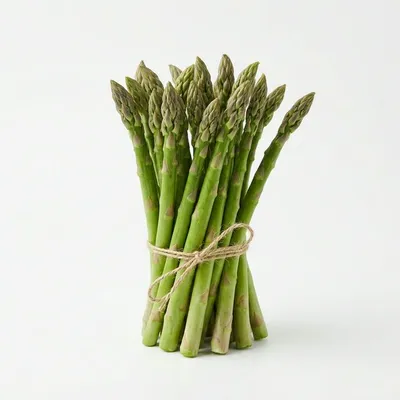
Asparagus calories per 100g: 20 kcal
Nutrition Facts per 100g
Asparagus Nutritional Comparison
Asparagus nutrition: spears, steamed vs roasted, net carbs, and portions
Asparagus has about 20 calories per 100g, with 3.9g carbs, 2.1g fiber, and 2.2g protein. It is a low-calorie vegetable that works well for high-volume meals and low-carb plans.
If you are steaming or roasting a bundle without weighing it, use the CalMind photo calorie tracker. Scanning your plate estimates serving size and helps keep added oil separate from the asparagus itself.
Macronutrients: Low in Calories, High in Value
A 100-gram serving of raw asparagus provides just 20 kilocalories. This exceptionally low caloric density is largely due to its high water content (approximately 93%). When we examine the macronutrient breakdown, asparagus contains 3.9 grams of total carbohydrates. However, of those 3.9 grams, 2.1 grams are pure dietary fiber. This means the net carbohydrates are incredibly low (only 1.8g per 100g), making asparagus a top-tier vegetable for individuals following ketogenic, low-carb, or diabetic-friendly diets.
The protein content in asparagus is 2.2 grams per 100g. While this might seem small in the context of an entire day's protein requirement, it is actually quite high for a vegetable—especially considering its caloric footprint. Furthermore, asparagus is virtually fat-free, containing barely 0.1 grams of fat per serving. This macro breakdown makes it essentially a "free food" in many diet plans, meaning you can consume large volumes of it to achieve mechanical fullness in the stomach without significantly impacting your total daily energy intake.
Micronutrients and Antioxidant Power
Where asparagus truly shines is in its micronutrient density. It is an exceptional source of Vitamin K, with a single 100g serving providing over 50% of your recommended daily intake. Vitamin K is a crucial fat-soluble vitamin necessary for proper blood clotting and maintaining strong, healthy bones by working synergistically with calcium and Vitamin D. To maximize the absorption of Vitamin K from your asparagus, it is highly recommended to cook or serve it with a high-quality fat source, such as a drizzle of extra virgin olive oil or a small pat of grass-fed butter.
Asparagus is also famous for being one of the best natural sources of Folate (Vitamin B9). Folate is essential for DNA synthesis, rapid cell division, and growth, making it an incredibly critical nutrient for pregnant women. A standard serving can provide up to 34% of your daily folate needs. Beyond vitamins, asparagus contains high levels of glutathione, a potent detoxifying compound that helps break down carcinogens and free radicals in the body. The combination of glutathione, Vitamin C, Vitamin E, and various flavonoids makes asparagus a powerful anti-aging and anti-inflammatory food.
Asparagus and Weight Loss: A Perfect Match
If your primary goal is body fat reduction, asparagus should absolutely be in your weekly rotation. Its high fiber and water content mechanically stretch the stomach receptors, signaling to the brain that you are full. The specific type of fiber found in asparagus includes inulin. Inulin is a prebiotic fiber that does not digest in the upper gastrointestinal tract; instead, it travels to the large intestine where it feeds healthy Bifidobacteria and Lactobacilli. A healthy gut microbiome is increasingly being linked by modern science to better metabolic rates and improved weight management.
Additionally, asparagus contains a unique amino acid called asparagine. Asparagine acts as a natural diuretic. By increasing cellular urination, it helps the body dramatically flush out excess fluid and salts from the tissue. This makes asparagus an incredible tool for reducing temporary water weight and eliminating uncomfortable stomach bloating, which is why bodybuilders famously consume large quantities of it during their "peak week" before stepping on stage.
🔥 How to burn 20 Calories (100g serving)?
- Run (6 mph pace): 2 minutes
- Cycle (Moderate effort): 2.5 minutes
- Walk (3.5 mph brisk pace): 5 minutes
- Weightlifting (Vigorous): 3 minutes
Note: Caloric expenditure varies based on age, gender, and current body weight.
Cooking Methods and Caloric Impact
While raw asparagus is just 20 calories per 100g, how you choose to prepare it will dictate the final caloric load on your plate. Steaming or boiling asparagus adds zero calories and preserves the vast majority of its water-soluble vitamins. Roasting or grilling asparagus brings out profound, nutty flavor profiles due to the Maillard reaction, but heavily coating the spears in oil can quickly multiply the calorie count. A single tablespoon of olive oil adds 120 calories—six times the amount of the asparagus itself! Use an olive oil spray pump to lightly mist the spears before roasting to get the perfect crisp texture while carefully controlling your caloric intake.
When selecting asparagus at the grocery store or farmer's market, look for firm, straight stalks with tightly closed, dark green or purplish tips. The thickness of the spear (pencil-thin versus jumbo) does not significantly alter the caloric or nutritional content; it merely changes the texture and cooking time required. Thick spears are excellent for high-heat grilling, while thin spears are perfect for quick sautés or eating raw in salads.
Asparagus and Digestive Health
Maintaining optimal digestive health is absolutely paramount for nutrient absorption and preventing dangerous systemic inflammation, and asparagus is a top-tier therapeutic vegetable in this regard. The exceptionally high concentration of insoluble dietary fiber uniquely adds physical bulk to your stool, actively promoting highly regular, simple bowel movements and significantly reducing the risk of chronic constipation. Furthermore, the specialized prebiotic fiber known as inulin acts as the primary food source for your large intestine's most beneficial bacterial colonies.
By heavily encouraging the explosive growth of these helpful bacteria, asparagus directly supports the biological creation of short-chain fatty acids (SCFAs) like butyrate. Butyrate is critically famous for serving as the primary energetic fuel for the delicate cells lining your colon. This significantly strengthens the intestinal barrier, preventing dangerous toxins from leaking into your bloodstream—a condition commonly referred to by functional medicine doctors as "leaky gut syndrome." Concurrently, the smooth mechanical sweeping action of the fiber physically cleans the walls of the lower digestive tract.
The Importance of Proper Asparagus Preparation
To extract the absolute maximum nutritional value from your asparagus while simultaneously enjoying a premium culinary experience, proper preparation technique is absolutely vital. The thick, woody bottoms of older asparagus spears are famously tough and unpleasant to chew. Instead of arbitrarily cutting them off with a knife, firmly hold the spear near its base and gently bend it until it snaps. The vegetable will naturally break exactly where the tender, edible part begins and the fibrous stalk ends.
Once prepped, rapid, high-heat cooking methods are strongly advised. Submerging asparagus in vigorously boiling water for just 60 to 90 seconds (a process called blanching), followed by an immediate plunge into an ice-water bath, flawlessly preserves its brilliant, vibrant green color and locks in the delicate, heat-sensitive Vitamin C and Folate. Alternatively, lightly tossing the spears in a teaspoon of avocado oil and briefly searing them on a blisteringly hot cast-iron grill creates a phenomenally savory, highly caramelized crust without drowning the low-calorie vegetable in excess, unnecessary fats.
Frequently Asked Questions
Is asparagus keto-friendly?
Yes. Asparagus has about 3.9g carbs and 2.1g fiber per 100g, so net carbs are roughly 1.8g.
Why does asparagus make urine smell?
Asparagus contains asparagusic acid, which can create sulfur-like compounds during digestion. It is common and harmless.
Can asparagus help with bloating?
Asparagus contains potassium, fiber, and asparagine, so it may help some people reduce water retention. It is not a medical treatment for persistent bloating.
Is green asparagus healthier than white asparagus?
Green asparagus usually has more vitamin C and antioxidants because it grows in sunlight. White asparagus is similar in calories but milder in flavor.
CalMind