 CalMind
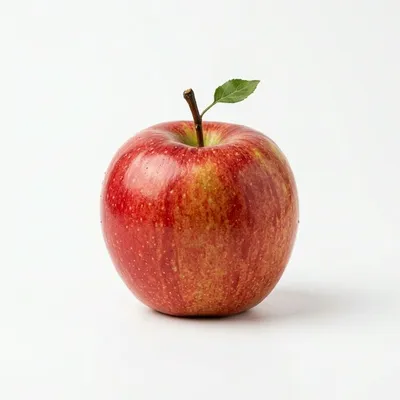
Apple calories per 100g: 52 kcal
Nutrition Facts per 100g (w/ Skin)
Apple Nutritional Comparison
Apple Nutrition Analysis: Comprehensive Guide
Apples are among the most popular and extensively cultivated fruits in the world, renowned for their incredible health benefits, satisfying crunch, and versatility. The classic adage "an apple a day keeps the doctor away" carries significant scientific weight when you dig into the nutritional profile of this remarkable fruit. While a standard medium apple (roughly 182 grams) contains around 95 calories, a 100-gram serving—the gold standard for nutritional comparison—provides an exceptionally low 52 calories, making it an absolute staple for anyone focused on weight management, metabolic health, or general longevity. To effortlessly add apples to your daily food log without searching databases, simply use the CalMind photo calorie tracker. Point your camera at your afternoon apple, and the AI precisely measures volume to give you instant calorie and fiber data.
Understanding Apple Macronutrients
When analyzing the macronutrients of a raw apple (per 100g), the profile is predominantly carbohydrate-based, delivering about 14 grams of total carbs. Crucially, these are not the refined, quickly digesting carbohydrates found in processed foods. Approximately 2.4 grams of these carbs are purely dietary fiber, specifically a highly beneficial soluble fiber called pectin. Pectin acts as a prebiotic, directly feeding the friendly bacteria in your gut microbiome, which is essential for immune function and reducing systemic inflammation.
The remaining carbohydrates are naturally occurring sugars—mainly fructose, glucose, and sucrose. Despite the presence of sugar, apples possess a relatively low Glycemic Index (GI), typically ranging around 36 to 39. This low GI means that consuming an apple does not cause the rapid blood sugar spikes associated with processed sweets. The fiber matrix slows down the absorption of the fructose, ensuring a slow, steady release of energy. Apples contain virtually zero fat (0.2g) and a trace amount of protein (0.3g), cementing their status as a low-calorie, high-volume carbohydrate source.
Are Apples Good For Weight Loss?
Apples are legitimately one of the best foods you can consume while in a caloric deficit. The secret lies in their incredible water content (86%) combined with their pectin fiber. This specific ratio creates significant volume in your stomach for remarkably few calories. When you eat an apple before a meal, the stomach distension triggers stretch receptors that signal your brain's hypothalamus that you are full. In fact, a meticulously designed scientific study published in the journal Appetite found that individuals who ate apple slices before a meal consumed an average of 200 fewer calories during the actual meal compared to those who did not.
Furthermore, because apples require significant chewing—a process known as mastication—they slow down your eating rate. This prolonged eating time allows your gut hormones (like GLP-1 and PYY) sufficient time to communicate with your brain and effectively shut off your hunger drive. To maximize the weight loss benefits, always eat the apple whole rather than drinking apple juice. Juicing completely destroys the essential fiber matrix, condensing the sugar and calories while simultaneously eliminating the satiating effect of the fruit.
The Importance of the Apple Peel
A fatal mistake many people make is peeling their apples before eating them. The skin of the apple is where the absolute majority of the nutritional magic resides. Roughly 50% of the total vitamin C and almost all of the quercetin—a potent flavonoid antioxidant—are located directly in or just beneath the peel. Quercetin has been extensively researched for its ability to reduce inflammation, regulate immune responses, and potentially even boost exercise endurance by making oxygen more available to your lungs.
Moreover, the peel contains unique compounds called triterpenoids, which have been shown in laboratory studies to possess anti-cancer properties. When you discard the skin, you are essentially throwing away half the dietary fiber and the vast majority of the fruit's defensive antioxidants. Always wash your apples thoroughly under running water, but strive to eat them with the skin fully intact.
🔥 How to burn 52 Calories (100g serving)?
- Run (6 mph pace): 5 minutes
- Cycle (Moderate effort): 8 minutes
- Walk (3.5 mph brisk pace): 15 minutes
- Rowing machine: 7 minutes
Note: Caloric expenditure varies based on age, gender, and current body weight.
Red Apples vs. Green Apples: Caloric Differences
A common question among calorie trackers is whether green apples (like Granny Smith) are significantly better for weight loss than sweet red apples (like Fuji or Honeycrisp). From a pure caloric standpoint, the difference is entirely negligible. A 100g serving of a Granny Smith apple contains roughly 52 calories, while the exact same weight of a Fuji apple contains about 53 calories.
The primary difference lies in the specific sugar profile and acid content. Green apples contain slightly less naturally occurring sugar and possess a higher concentration of malic acid, giving them their characteristic tartness. They also tend to have a fraction of a gram more fiber. Conversely, red apples contain higher levels of anthocyanins—the antioxidants responsible for their red pigmentation. Ultimately, the "best" apple is simply the one you enjoy eating the most, as the metabolic differences are far too minor to impact a diet.
Apples and Cardiovascular Health
The profound cardiovascular benefits of daily apple consumption are extremely well-documented in clinical nutritional literature. The massive concentration of soluble fiber, specifically pectin, uniquely binds to cholesterol in your gastrointestinal tract, physically preventing it from being fully absorbed into your bloodstream. Over time, this biological mechanism actively lowers your circulatory levels of LDL (bad) cholesterol. Furthermore, the skin of the apple is practically overflowing with the powerful polyphenolic antioxidant epicatechin, which has been robustly scientifically proven to lower resting blood pressure by naturally relaxing the inner lining of your blood vessels and improving overall endothelial function.
In a massive, highly controlled study encompassing over 34,000 women over a 12-year period, researchers decisively concluded that those who regularly consumed whole apples experienced a significantly lower risk of dying from coronary heart disease. The unique, synergistic combination of high dietary fiber, intense water volume, and potent structural antioxidants makes the humble apple one of the most uniquely protective, heart-healthy fruits available in the modern human diet.
How to Store Apples for Maximum Nutritional Retention
Properly storing your apples is absolutely mission-critical if you want to aggressively preserve their delicate Vitamin C and antioxidant profile. Unlike bananas or avocados, apples should almost never be stored directly on the kitchen counter at room temperature. The ambient heat rapidly accelerates their natural enzymatic ripening process, causing them to physically soften, lose their signature crunch, and systematically leak their essential micronutrients.
To massively extend their biological shelf life, apples must be stored directly in the crisper drawer of your refrigerator, entirely unwashed until the exact moment you are ready to eat them. If properly refrigerated, a completely fresh, high-quality apple can safely retain its total nutritional integrity and satisfying textural crunch for up to six full weeks. Additionally, always keep your apples physically separated from strongly scented foods like raw onions or heavy garlic, as their highly porous skins will readily absorb intense ambient odors over time.
Frequently Asked Questions
How many calories are in apple per 100g?
Apple has about 52 calories per 100g.
How many calories are in a medium apple?
A medium apple is usually about 95 calories, depending on size.
Do apples contain a lot of sugar?
A medium apple has about 19g natural sugar, but fiber slows digestion compared with added sugar.
Should I peel an apple?
Keep the peel if tolerated because it contains much of the fiber and antioxidants.