 CalMind
What are macros? Protein, carbs, and fat explained
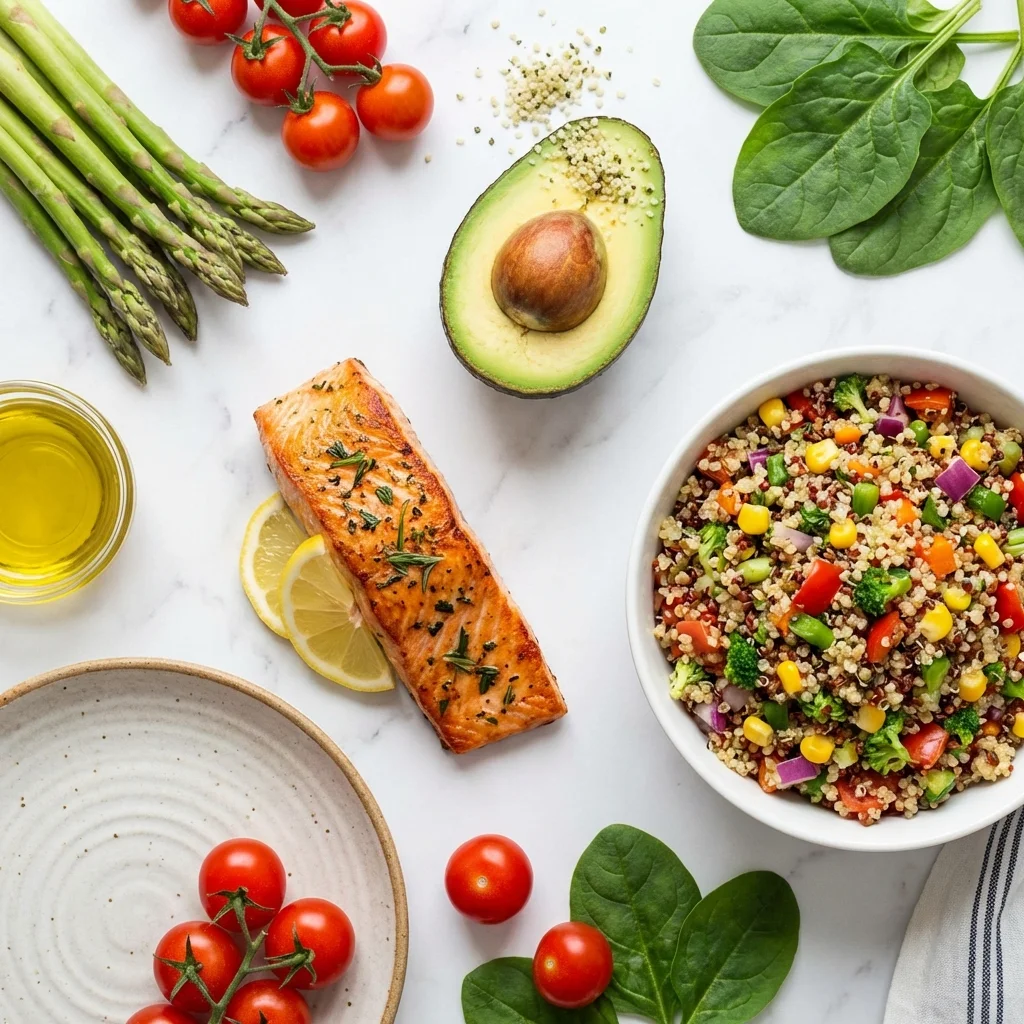
Macros is short for macronutrients: protein, carbohydrates, and fat. These three nutrients provide calories and shape how full, energized, and consistent you feel.
If your goal is weight loss, calories determine the overall direction. Macros help you keep protein high, manage hunger, support training, and avoid losing muscle while you lose fat.
The Big Three Explained
1. Protein (4 Calories per gram)
Protein is the building block of your body. It is essential for building and repairing muscle tissue. If you are in a calorie deficit to lose weight, eating enough protein ensures you burn fat instead of muscle.
- Sources: Chicken, beef, fish, eggs, tofu, beans, greek yogurt.
2. Carbohydrates (4 Calories per gram)
Carbs are your body's primary energy source. They fuel your brain and your workouts. Despite what you might hear, carbs are not the enemy—they are fuel.
- Sources: Rice, oats, bread, pasta, fruits, potatoes, vegetables.
3. Fats (9 Calories per gram)
Fats are vital for hormone regulation and nutrient absorption. They are more calorie-dense (9 cals/g) than protein or carbs, so portion sizes are smaller.
- Sources: Nuts, olive oil, avocado, butter, fatty fish, cheese.
How to Calculate Your Macros
Finding the perfect ratio depends on your body type and goals. A standard balanced diet is often 30% Protein, 35% Fat, 35% Carbs.
However, if you are lifting weights, you might need more protein (High Protein Diet). If you want to burn fat quickly without hunger, you might prefer fewer carbs (Keto/Low Carb).
Your Pocket Health Coach
Take your results to the next level. Download CalMind to scan meals, track macros, and reach your goals faster.
Download App FreeHow to Track Macros
Once you know your target numbers (e.g., 150g Protein, 200g Carbs, 70g Fat), the next step is tracking what you eat.
This used to involve reading every nutrition label and doing math. Now, apps like CalMind can simply scan your food with a camera and tell you the macro breakdown instantly.
Start by prioritizing Protein. If you hit your protein goal and stay within your calorie limit, the carbs and fats will often fall into place naturally.
Macro FAQ
What are macros?
Macros are the three macronutrients that provide calories: protein, carbohydrates, and fat.
Do macros matter for weight loss?
Calories drive weight loss, but macros influence hunger, energy, and whether you preserve muscle while losing fat.
Which macro should beginners track first?
Start with protein and total calories. Once those are consistent, refine carbs and fats around training, hunger, and preferences.
How can I track macros without manual entry?
Use a photo macro tracker like CalMind to scan meals, estimate portions, and log protein, carbs, fat, and calories from one image.
About this article
Written and edited by
Editor-in-Chief at CalMind and lead editor for English-language content.
Published
Edition
United States (English)
This article provides general educational information and is not a substitute for individualized medical or nutrition advice.