
Best Food Tracking App in 2025: Snap & Track Easily
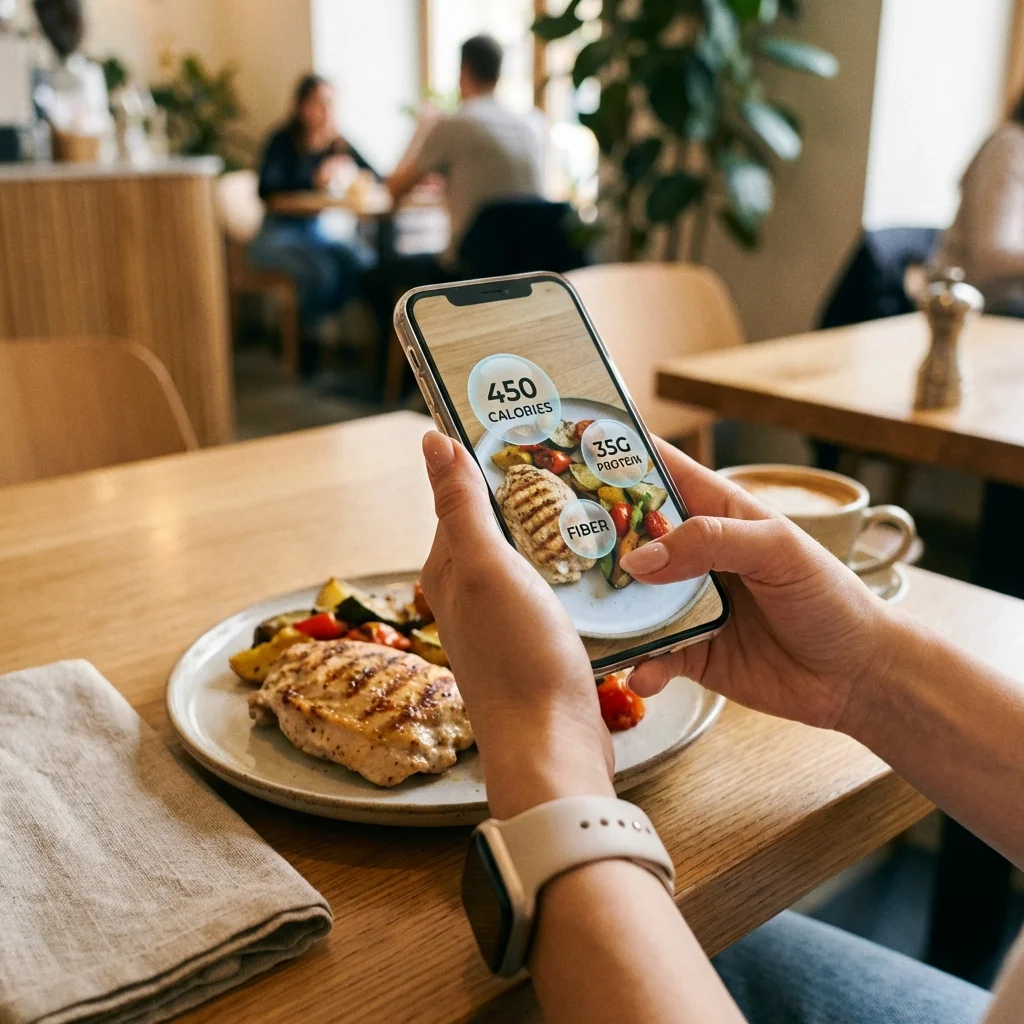
In 2025, the days of manually searching for "banana" or "slice of pizza" in a tracking app are over. The new standard for nutritional tracking is the calorie scanner app—a tool that leverages your smartphone's camera to instantly recognize and log food.
How Calorie Scanner Apps Work
These apps use advanced machine learning algorithms trained on millions of food images. When you point your camera at a meal, the app identifies the components (e.g., steak, mashed potatoes, green beans) and estimates their volume to calculate total calories. It's like having a dietitian in your pocket.
Why You Should Switch to a Scanner App
- Convenience: The biggest barrier to consistent tracking is time. Scanning reduces logging time by up to 90%.
- Visual Diary: Seeing a photo log of your meals can make you more mindful of your eating habits than a text list.
- Context Awareness: Modern apps can differentiate between a small snack and a full meal based on visual cues.
Choosing the Right App
When selecting a calorie scanner app, look for one with a high accuracy rate, a clean interface, and fast processing speed. CalMind leads the pack with its proprietary AI engine that learns from your habits to provide even better estimates over time.
The Verdict
Technology should make healthy living easier, not harder. A calorie scanner app removes the friction from dieting, helping you stay consistent and reach your goals without the headache of manual data entry.
About this article
Written and edited by
Editor-in-Chief at CalMind and lead editor for English-language content.
Published
Edition
United States (English)
This article provides general educational information and is not a substitute for individualized medical or nutrition advice.